Introduction
I'm Umar Sheikh, and I focus on rice export and global trade here at Kinzo Agro. My journey into international trade started with a curiosity about how rice from Pakistani farms eventually reaches consumers in Dubai, Jeddah, or Jakarta. The complexity of that journey—from a farmer's field to an overseas餐桌—is what drew me to this field and keeps me engaged.
At Kinzo Agro, I have the opportunity to work with the complete export process, from understanding how international buyers evaluate suppliers to navigating the documentation requirements that make cross-border trade possible. This hands-on involvement gives me insights that go beyond what you can learn from textbooks or trade publications alone.
I approach rice export from a business and analytical perspective. Trade isn't just about moving goods from one place to another—it's about managing risks, building relationships, understanding market dynamics, and finding ways to create value for both buyers and sellers. I try to explain these commercial realities in ways that are useful for people at various levels of the trade ecosystem.
Understanding Global Rice Trade
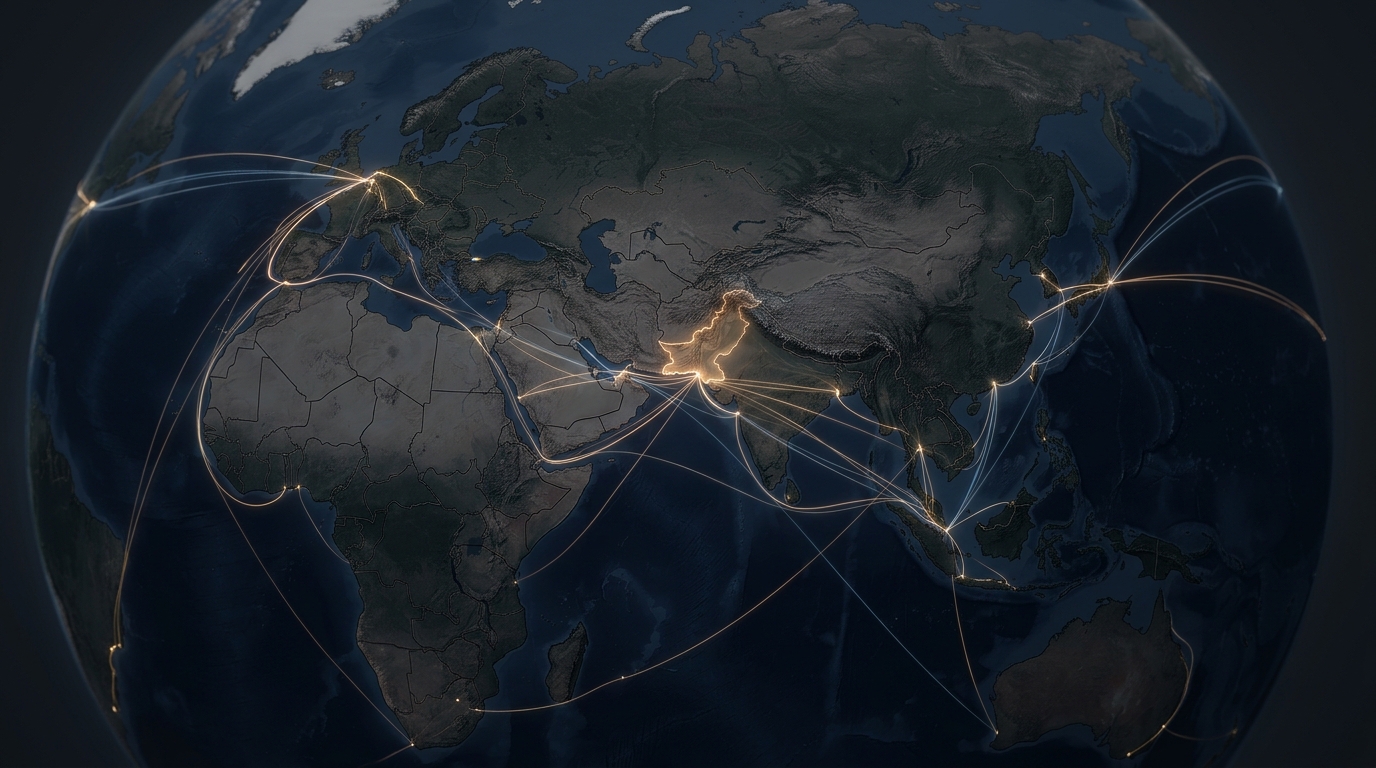
My knowledge of rice export comes from following market trends, studying trade policies, and learning from experienced traders and logistics partners. I track export statistics from multiple sources to understand how Pakistani rice flows to different markets and why those patterns exist. Knowing where rice goes and why helps me explain the commercial dynamics that drive the industry.
I follow international trade frameworks including Incoterms, payment methods like letters of credit and documentary collections, and the role of inspection agencies. These aren't abstract concepts to me—they're practical tools that determine whether a transaction succeeds or fails. Understanding how these mechanisms work in practice gives me a foundation for explaining export processes clearly.
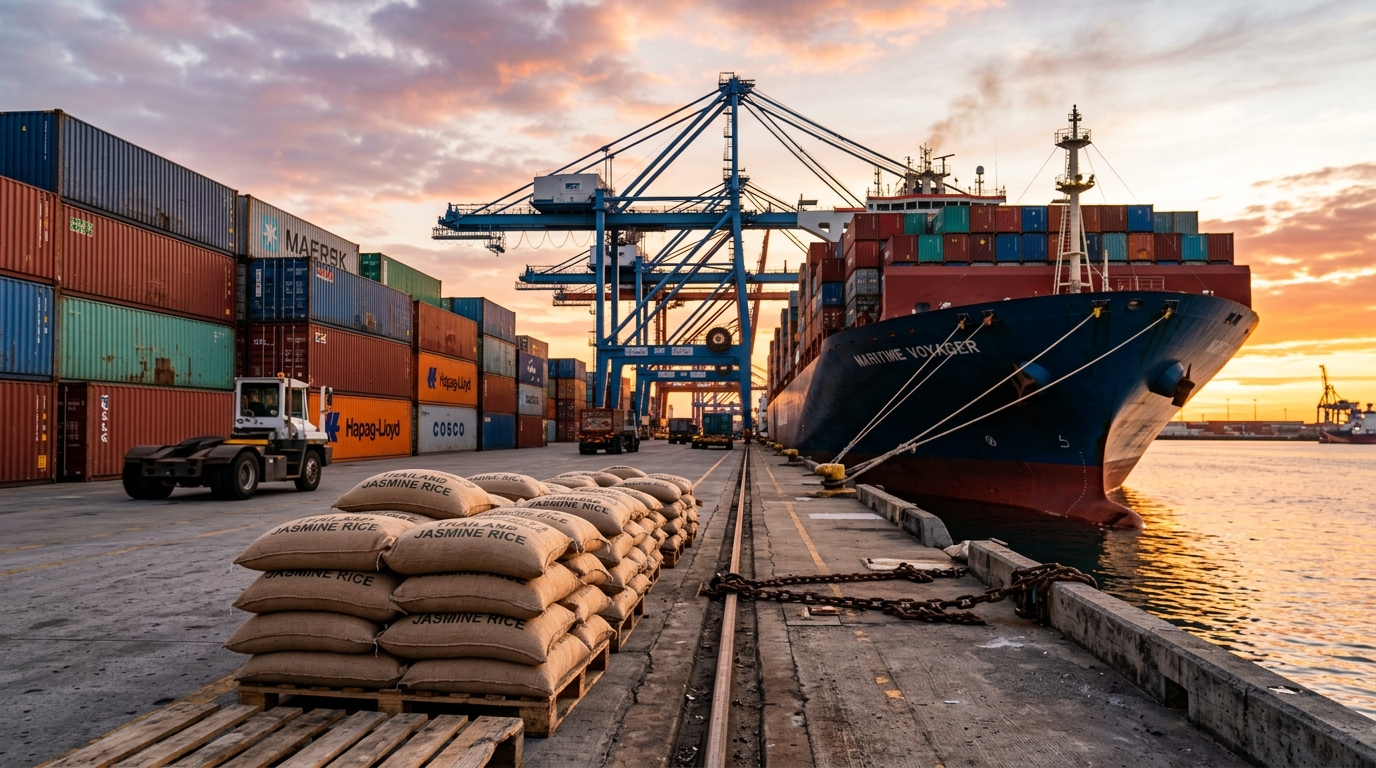
Logistics is another area where I spend considerable time understanding the details. Container shipping, port operations, documentation requirements, and customs procedures all affect whether rice reaches its destination on time and in good condition. The interaction between commercial and logistical factors makes rice export genuinely complex, and I find that complexity worth studying carefully.
Market analysis is where my analytical orientation shows most clearly. I track price movements, understand what drives demand in different markets, and try to identify patterns that help explain current conditions and suggest likely future developments. This kind of analysis isn't prediction—it's about understanding the factors that influence outcomes so readers can make more informed decisions.
Areas of Expertise
- International trade frameworks — Explaining Incoterms, payment methods, and contract structures that govern rice export transactions
- Export documentation — Covering commercial invoices, certificates of origin, phytosanitary certificates, and the other paperwork that international trade requires
- Market analysis and demand patterns — Examining why different countries import Pakistani rice and how market preferences evolve
- Logistics and shipping — Understanding container logistics, port operations, and the practical realities of moving rice internationally
- Supplier evaluation and selection — Explaining how buyers assess rice exporters and what makes some suppliers more reliable than others
- Quality standards for export — Covering how export-grade requirements differ from domestic specifications and why those differences matter
- Trade policy and regulations — Following changes in import requirements, tariff structures, and international trade agreements that affect rice markets
- Risk management in export — Understanding currency risk, quality claims, and other commercial risks that exporters and importers must navigate
Writing Approach
When I write about export topics, I focus on clarity and practical usefulness rather than technical complexity for its own sake. My goal is to help readers understand how international rice trade actually works, including the complications and challenges that aren't obvious from the outside.
I base my writing on documented trade practices, market data, and practical experience rather than speculation. When discussing market trends or trade dynamics, I try to identify the evidence that supports my analysis and acknowledge where uncertainty exists. Readers trust information more when they understand its basis.
All my articles go through review by the Kinzo Agro editorial team before publication. This process catches errors and ensures that my writing maintains the quality standards the website aims to uphold. I appreciate the oversight because it improves the reliability of what I publish.
I also learn from reader feedback. If someone with practical export experience points out that I've misrepresented a process or misunderstood a market dynamic, I take that seriously. The best understanding of trade comes from combining formal knowledge with practical experience, and I value both sources of insight.
Contribution to the Website
I write articles in the Rice Export & Global Trade category, covering everything from the basics of how export transactions work to detailed analysis of market trends and trade challenges. My target audience includes export traders, logistics providers, international buyers, and anyone else who needs to understand how Pakistani rice reaches global markets.
Some articles focus on practical processes like documentation requirements or supplier selection criteria, while others take a broader view of market dynamics or trade policy developments. I try to vary the depth and focus so that both newcomers to the industry and experienced professionals can find useful content.
I cross-link to related content in the Farming and Processing categories because export professionals benefit from understanding what happens before rice enters the trade pipeline. Knowing how quality is determined at the mill and how production conditions affect final characteristics helps traders communicate more effectively with suppliers and buyers alike.
Commitment to Accuracy
Every article I write is reviewed for accuracy and relevance before publication. I aim to provide practical and reliable information that readers can actually apply to their business activities. Information is based on research and industry understanding rather than speculation or commercial promotion.
I don't make exaggerated claims about market trends or present personal opinions as established fact. When I'm analyzing trade dynamics, I try to identify the evidence that supports my assessment and acknowledge where different interpretations are possible. This balanced approach may mean my writing sometimes expresses uncertainty, but I believe readers prefer honest uncertainty over false confidence.
The Kinzo Agro editorial team provides valuable oversight that helps ensure consistency and accuracy across the website. Their review process catches errors I might miss and ensures that technical details are correct before publication.
I keep articles current as market conditions evolve and new information becomes available. Trade patterns change, regulations shift, and market dynamics evolve. Staying current requires ongoing attention, and I'm committed to maintaining that vigilance for the benefit of readers.
Building Trust with Readers
My goal is to help readers understand international rice trade clearly enough to make better decisions in their own roles within the industry. Whether you're an exporter trying to reach new markets, a buyer evaluating Pakistani suppliers, or a logistics provider looking to understand rice cargo requirements, I want my writing to provide genuine value.
Content is reviewed for accuracy and relevance before publication. We aim to provide practical and reliable information that serves the real needs of our readers in the rice trade ecosystem. All information is based on research and industry understanding, not promotional claims or unverified assertions.
If you notice something in my writing that seems incorrect or could be improved, I encourage you to reach out. I value input from people with practical trade experience because they often understand dynamics that formal research might miss. Together, we can maintain information that genuinely helps people navigate the complex world of international rice trade.