Introduction
I'm Sara Khan, and I specialize in rice processing and quality at Kinzo Agro. My interest in this field began during my undergraduate studies in food science, where I became fascinated by the transformation that raw paddy undergoes to become the premium rice that reaches consumers worldwide. That transformation involves more science and nuance than most people realize, and I find joy in explaining those details clearly.
Working at Kinzo Agro gave me the opportunity to work closely with mill operators, quality control managers, and export buyers. These interactions taught me that rice processing isn't just about machinery and technical specifications—it's about understanding how each step in the mill affects the final product that ends up in someone's kitchen. The difference between well-milled and poorly-milled rice isn't cosmetic; it directly impacts cooking behavior, texture, and flavor.
I approach rice processing from a technical perspective, which means I pay close attention to details that others might overlook. Moisture content during storage, whitener pressure settings, color sorter sensitivity—these are the factors that determine whether rice meets premium export standards or falls into secondary grades. I try to explain these technicalities in ways that are accessible without dumbing them down.
Understanding Rice Processing
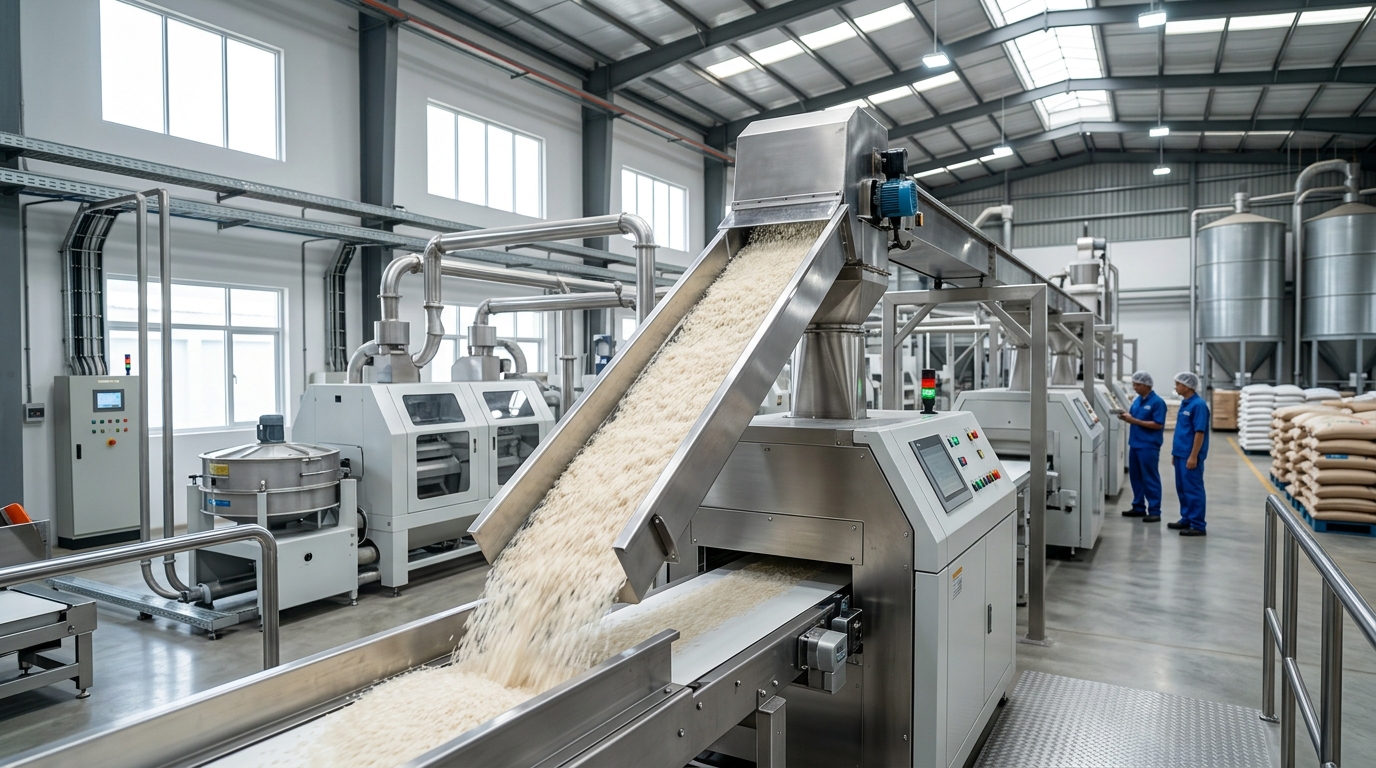
My knowledge of rice processing comes from studying the complete journey from paddy to finished product. I understand how each machine in a modern rice mill—hullers, whiteners, polishers, sorters—contributes to the final quality. More importantly, I understand how these machines interact with each other and how adjusting one parameter can create ripple effects throughout the processing line.
I follow international quality standards closely, including those set by Codex Alimentarius, ISO, and various national standards bodies. When export requirements change or new testing methods become available, I study them to understand their implications for Pakistani rice exporters. This kind of continuous learning is essential in a field where standards evolve and markets become more demanding.
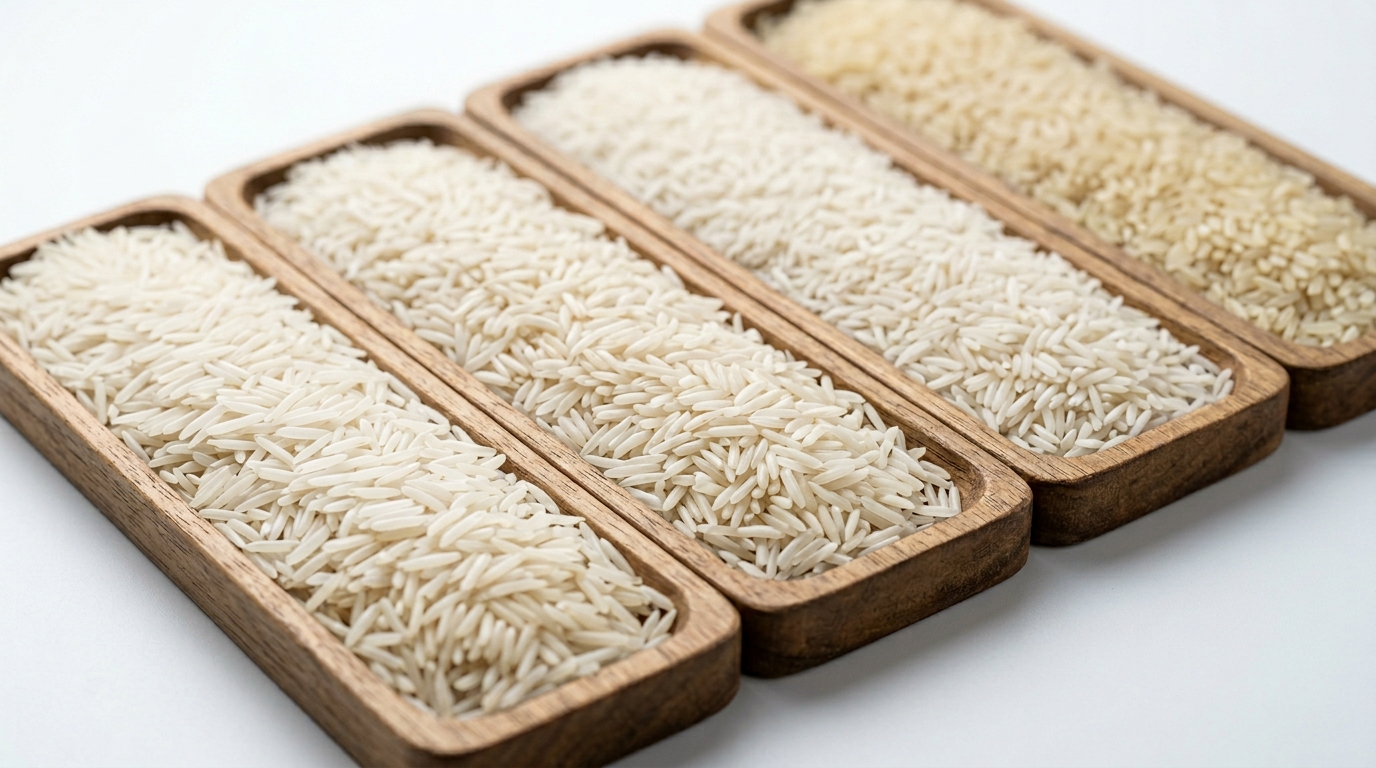
Quality assessment is a particular area of interest for me. I find the science of measuring rice characteristics—grain length, chalkiness, moisture content, broken percentage—fascinating because each parameter tells a story about how the rice was grown, harvested, dried, and processed. A skilled quality assessor can trace problems back through the supply chain by reading these signs correctly.
Storage and preservation are equally important in my field of focus. Even the best milling operation produces substandard rice if storage conditions aren't controlled properly. I spend considerable time understanding how temperature, humidity, and pest exposure affect rice quality over time, and I try to share that knowledge with readers who may not have formal training in grain storage science.
Areas of Expertise
- Rice milling technology — Understanding how hullers, whiteners, polishers, and graders work together to produce finished rice
- Quality grading and standards — Covering Basmati grade requirements, broken percentage thresholds, and color specifications for different export markets
- Moisture management and storage — Explaining optimal moisture levels for different storage durations and the consequences of improper drying
- Milling yield optimization — Understanding the balance between head rice recovery and whiteness that maximizes value for millers
- Color sorting and optical inspection — Examining how modern optical sorters detect and remove discolored, broken, or damaged kernels
- Basmati vs non-Basmati differences — Explaining the distinctive characteristics that separate premium aromatic varieties from commodity rice
- Packaging technology — Covering how different packaging materials affect rice freshness, shelf life, and market presentation
- Quality control procedures — Detailing the testing methods and inspection protocols that ensure consistent product quality
Writing Approach
I approach writing about rice processing with the same attention to detail that I apply to quality control work. I research technical specifications carefully and verify numbers against reliable sources before publishing them. When I'm uncertain about something, I'd rather say so explicitly than risk giving readers incorrect information that could affect their business decisions.
I believe in explaining the why behind technical facts rather than just stating them. Telling someone that rice should be stored at 14% moisture is useful, but explaining how moisture content interacts with temperature to promote mold growth or insect infestation gives them a deeper understanding they can apply in different situations.
All my articles are reviewed by the Kinzo Agro editorial team before publication. This review process helps ensure accuracy and identifies areas where my technical writing might be confusing to non-specialist readers. I appreciate this feedback because it makes my writing more accessible without sacrificing precision.
I also value feedback from readers. If someone with practical milling experience points out that I've misrepresented a technical detail, I take that seriously and update the content accordingly. The best information comes from combining formal research with practical industry knowledge.
Contribution to the Website
I write articles in the Rice Processing & Quality category, covering everything from basic milling principles to advanced quality control procedures. My target audience includes mill operators, quality managers, export traders, and anyone else who needs to understand how rice quality is determined and maintained.
Some articles focus on specific technical details like whitener settings or color sorter calibration, while others take a broader view of quality management systems or international standards. I try to balance depth with accessibility so that readers with varying levels of technical background can find useful information.
I cross-link to related content in the Farming and Export categories because rice processing doesn't happen in isolation. Understanding what happens before rice reaches the mill—harvest timing, drying practices, paddy quality—helps processing professionals appreciate why certain quality issues arise. Similarly, knowing export market requirements helps quality managers prioritize the parameters that matter most for specific destinations.
Commitment to Accuracy
Every article I write is reviewed for accuracy and relevance before publication. I aim to provide practical and reliable information that readers can actually apply to their work. Information is based on research and industry understanding rather than speculation or marketing claims.
I don't exaggerate my expertise or make claims I can't support with evidence. When I write about a topic, I rely on documented research, industry standards, and practical experience rather than personal opinions. This evidence-based approach means my writing may sometimes acknowledge uncertainty or suggest that additional research is needed before making definitive recommendations.
The Kinzo Agro editorial team provides valuable oversight that helps catch errors and ensures consistency across the website. They verify that technical specifications are current and that my writing maintains the quality standards readers expect from a professional publication.
I keep articles updated when new information becomes available. Rice processing technology evolves, international standards change, and market requirements shift. Staying current with these developments requires ongoing attention, and I commit to maintaining that vigilance for the benefit of readers.
Building Trust with Readers
My goal is to help readers make informed decisions about rice processing and quality, whether they're evaluating a new mill investment, setting up quality control procedures, or simply trying to understand why certain rice batches command premium prices. I don't write to promote specific equipment brands or push commercial agendas—I write to share technical knowledge that serves the industry.
Content is reviewed for accuracy and relevance before publication. We aim to provide practical and reliable information that helps quality professionals and mill operators do their jobs better. All information is based on research and industry understanding, not promotional claims or unverified assertions.
If you notice something in my writing that seems incorrect or could be improved, I encourage you to reach out. I value input from people with practical experience because they often spot gaps in my knowledge that formal research might miss. Together, we can keep the information on this site genuinely useful for the rice processing community.