Farming
Modern Rice Farming Techniques for Higher Yield
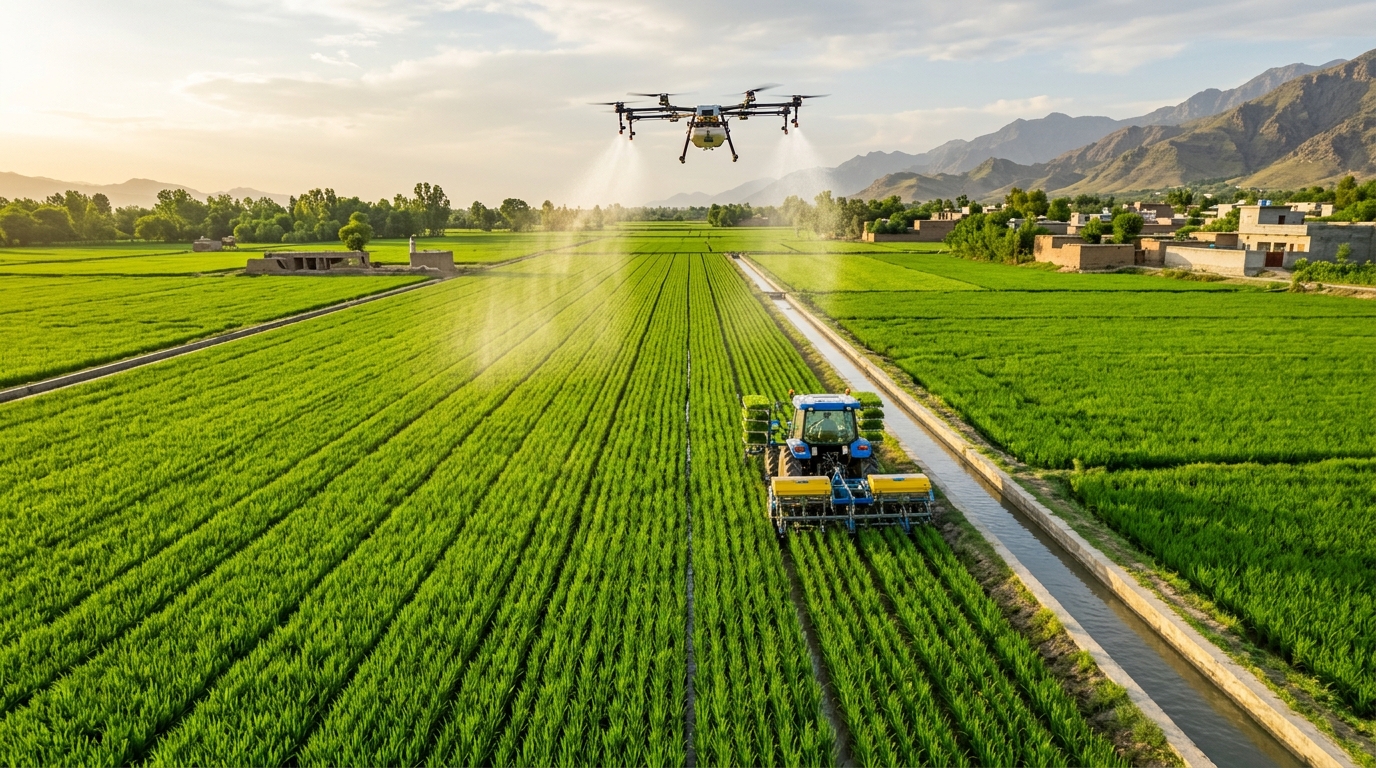
Modern rice farming techniques like DSR and SRI can significantly increase yields while reducing water and labor requirements.
Read Article →Expert knowledge on rice farming, processing, quality, and global trade
Stay informed with our comprehensive guides and industry insights
Modern techniques and best practices for successful rice cultivation
Modern rice farming techniques like DSR and SRI can significantly increase yields while reducing water and labor requirements.
Read Article →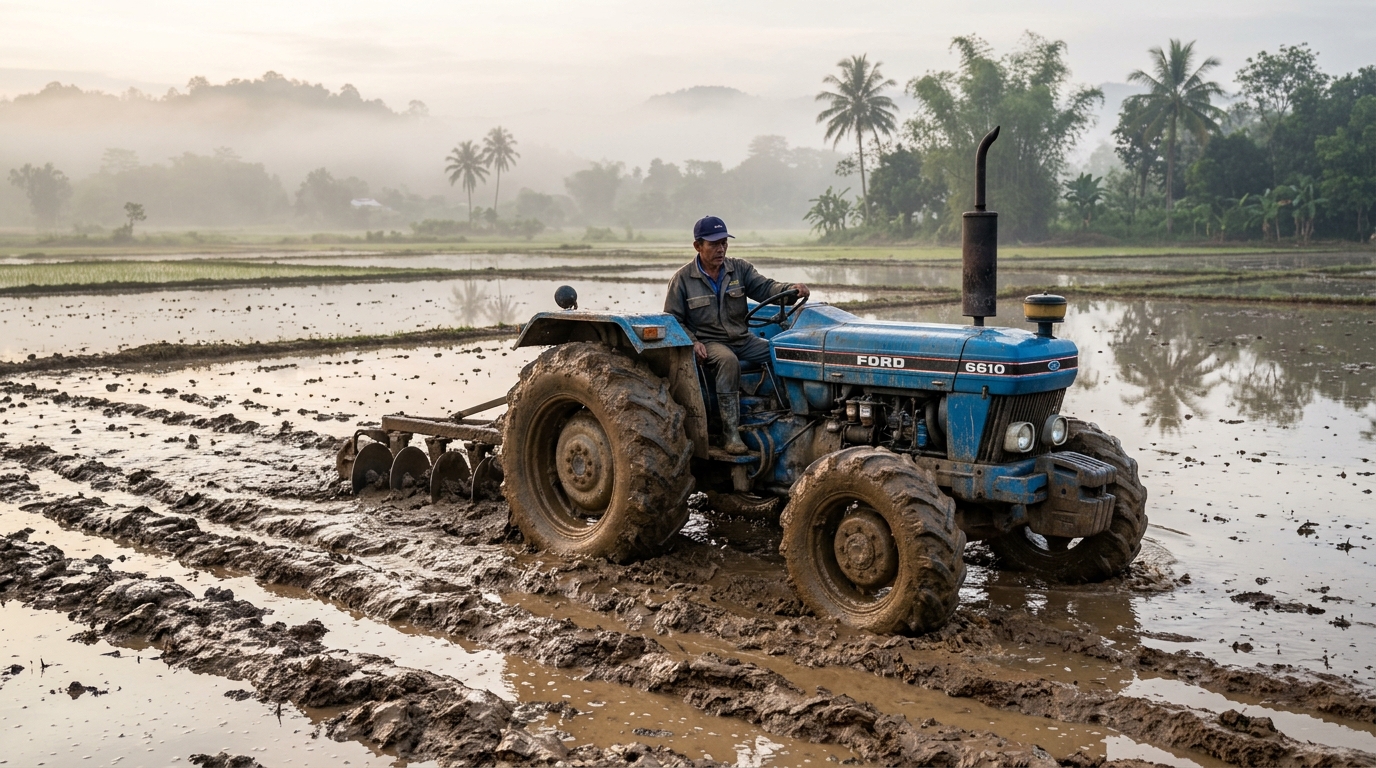
Proper soil preparation—pH adjustment, organic matter management, and precise land leveling—forms the foundation for successful rice cultivation.
Read Article →
Efficient water management through Alternate Wetting and Drying can reduce water use by 30-40% without yield reduction.
Read Article →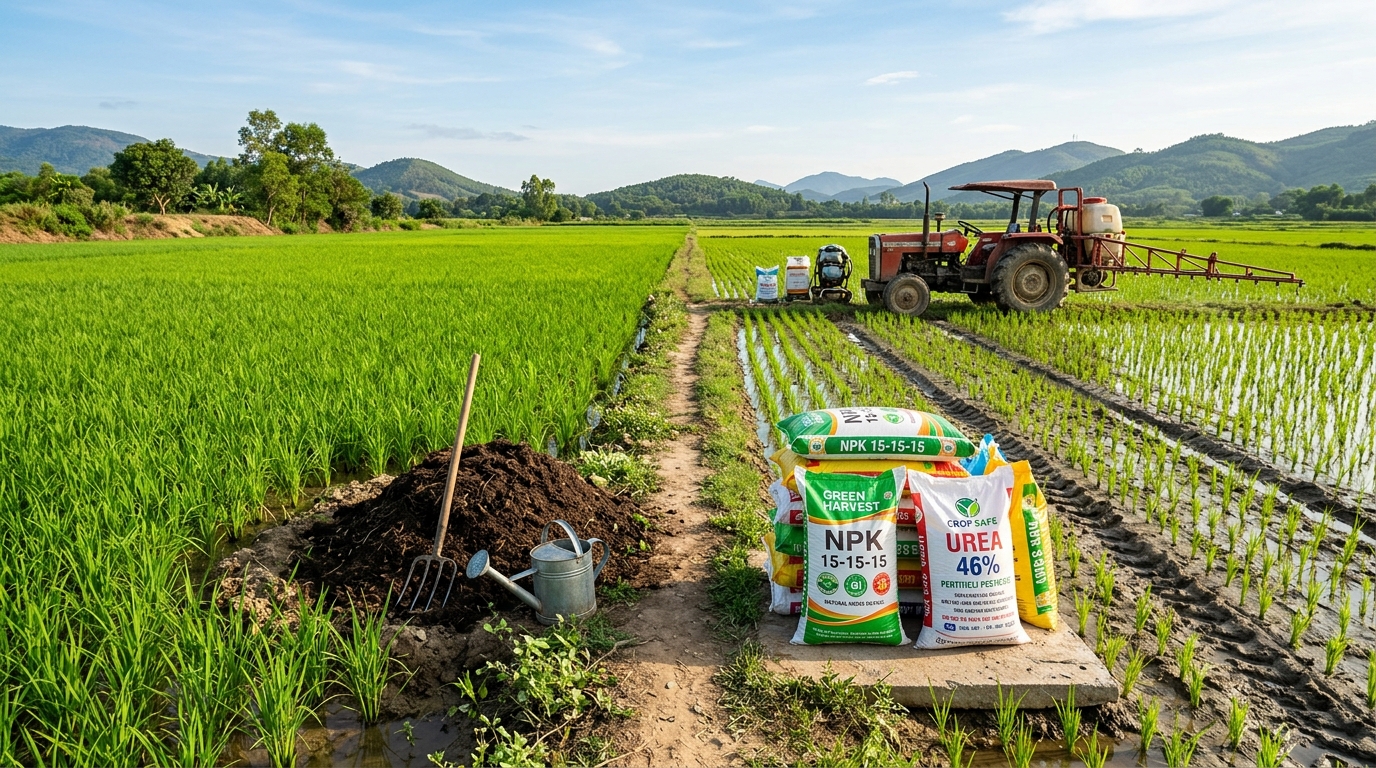
Organic rice farming builds soil health but yields 60-80% of conventional; chemical systems maximize productivity with trade-offs.
Read Article →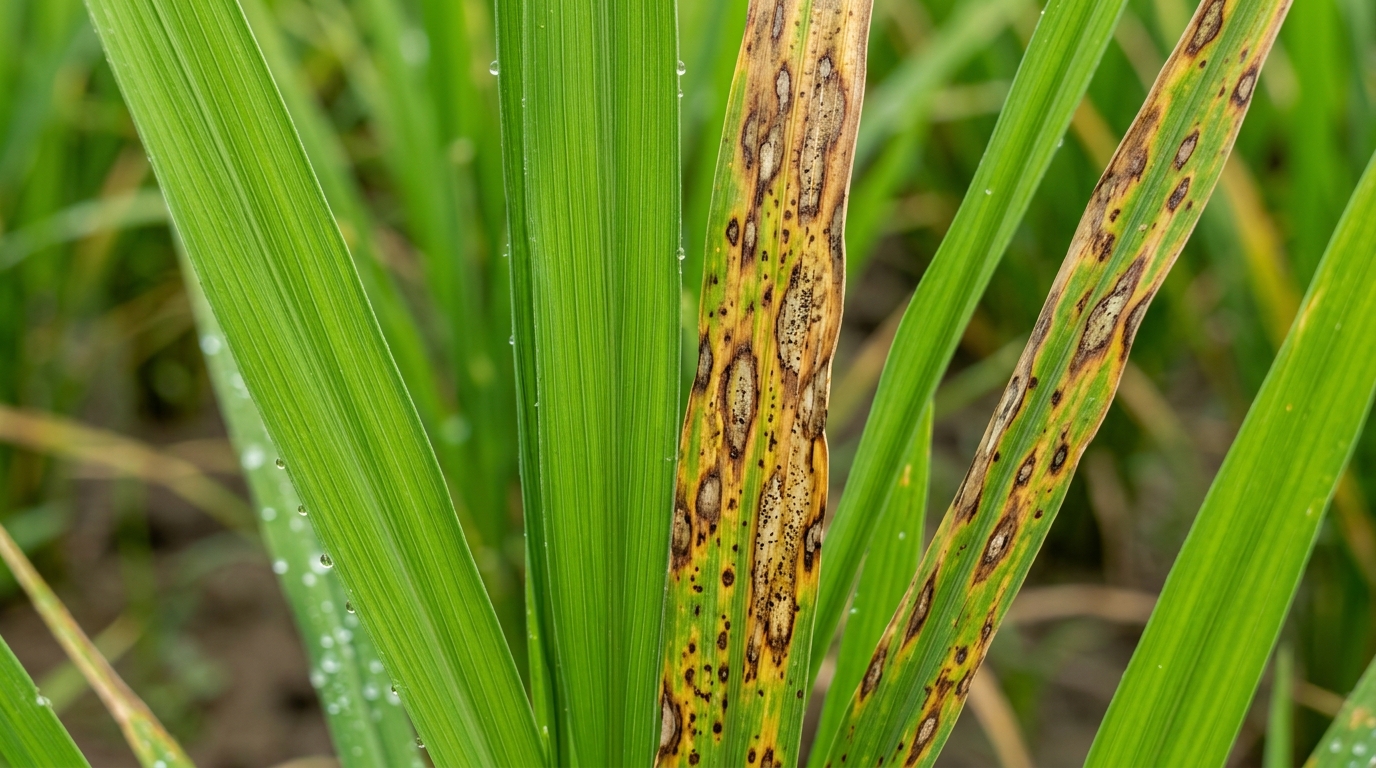
Rice diseases like bacterial blight and blast can cause 10-15% annual losses; prevention through resistant varieties and integrated management is essential.
Read Article →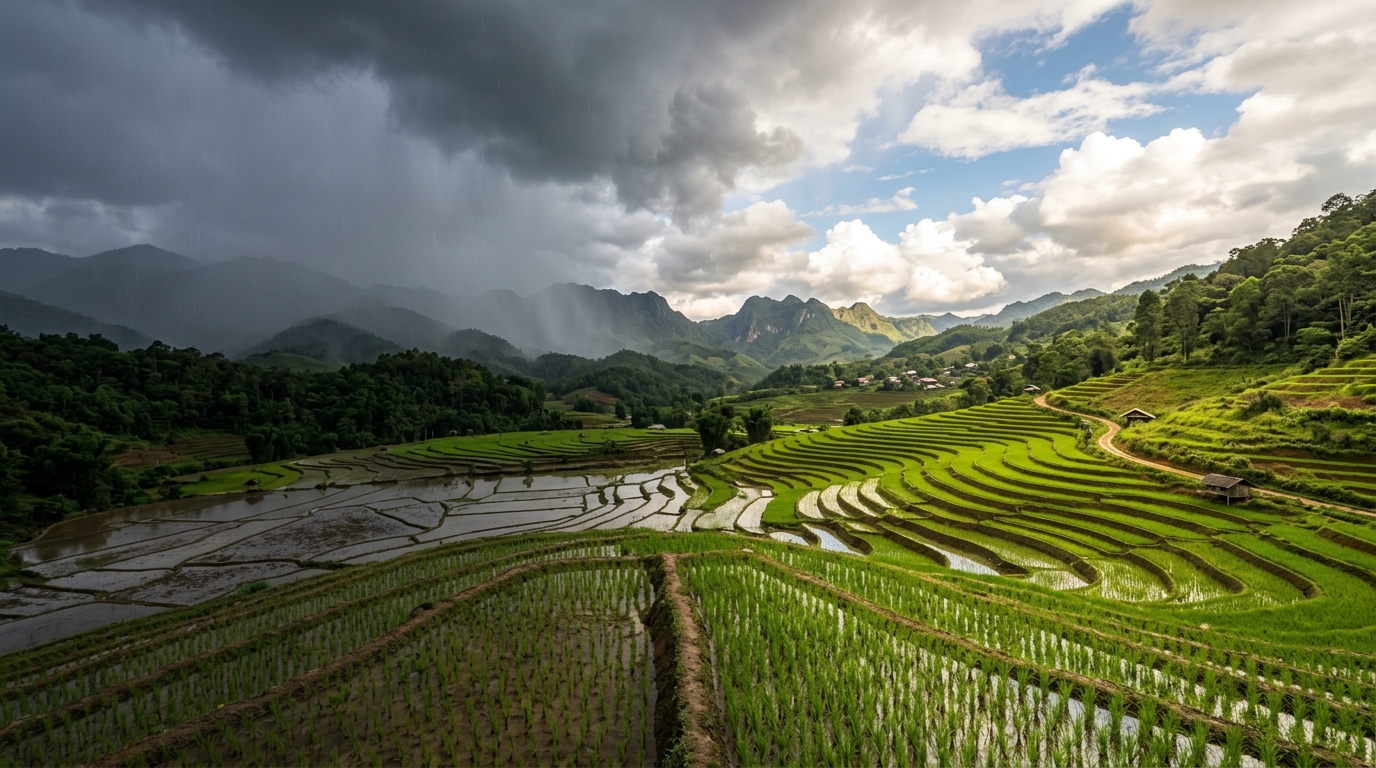
Climate change is already impacting rice farming through heat stress, rainfall variability, and extreme weather requiring adaptation strategies.
Read Article →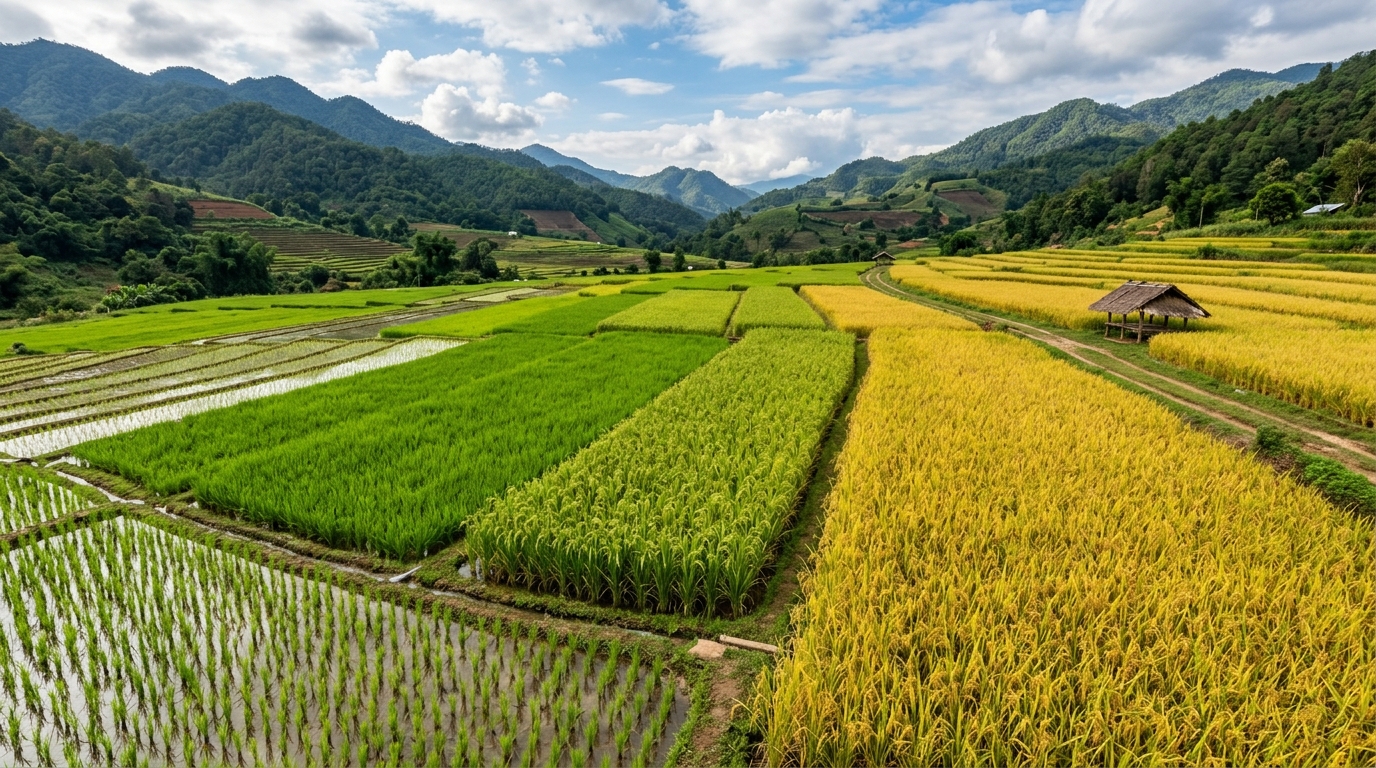
Successful rice cultivation requires systematic planning from variety selection through harvest, with attention to timing at every stage.
Read Article →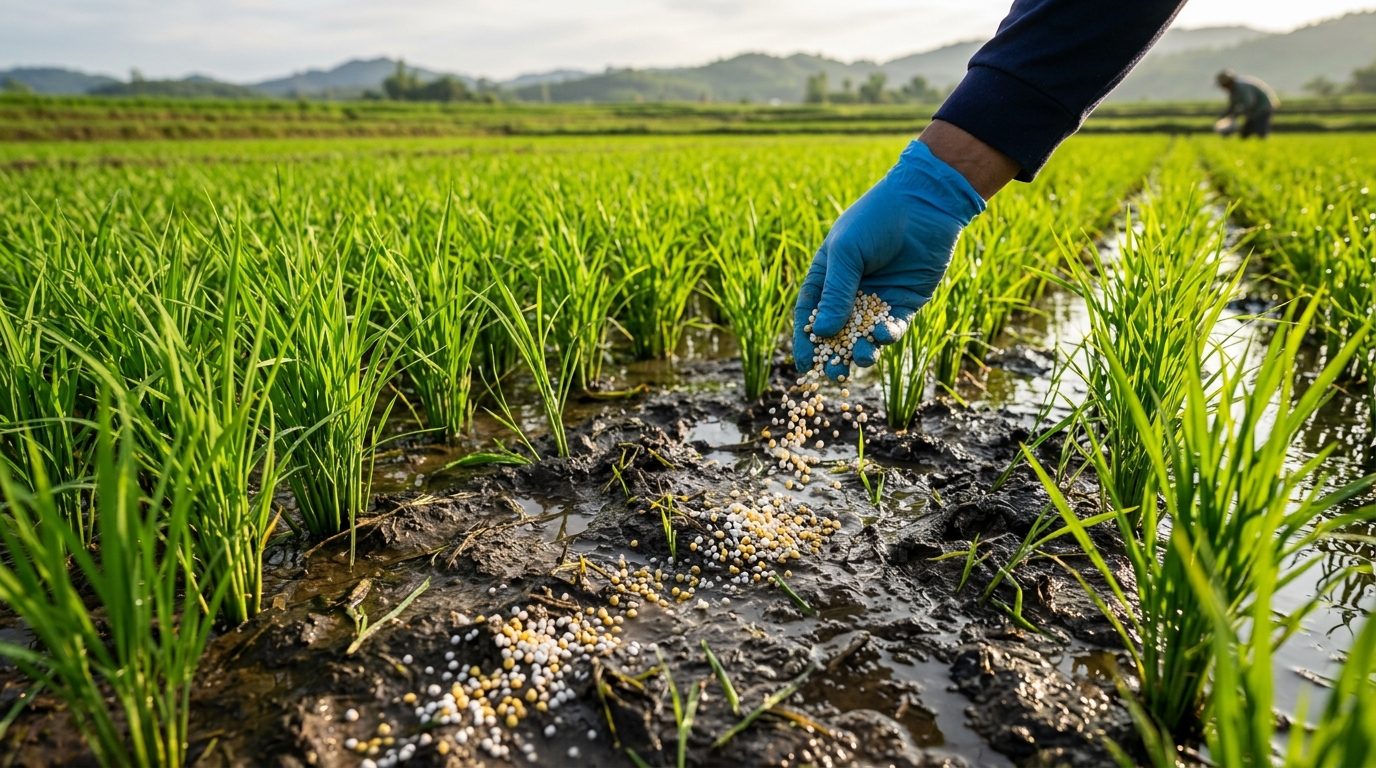
Effective rice fertilizer management focuses on nitrogen as the primary yield driver, with split applications matching crop demand for efficiency.
Read Article →Understanding the science behind premium rice processing and quality standards
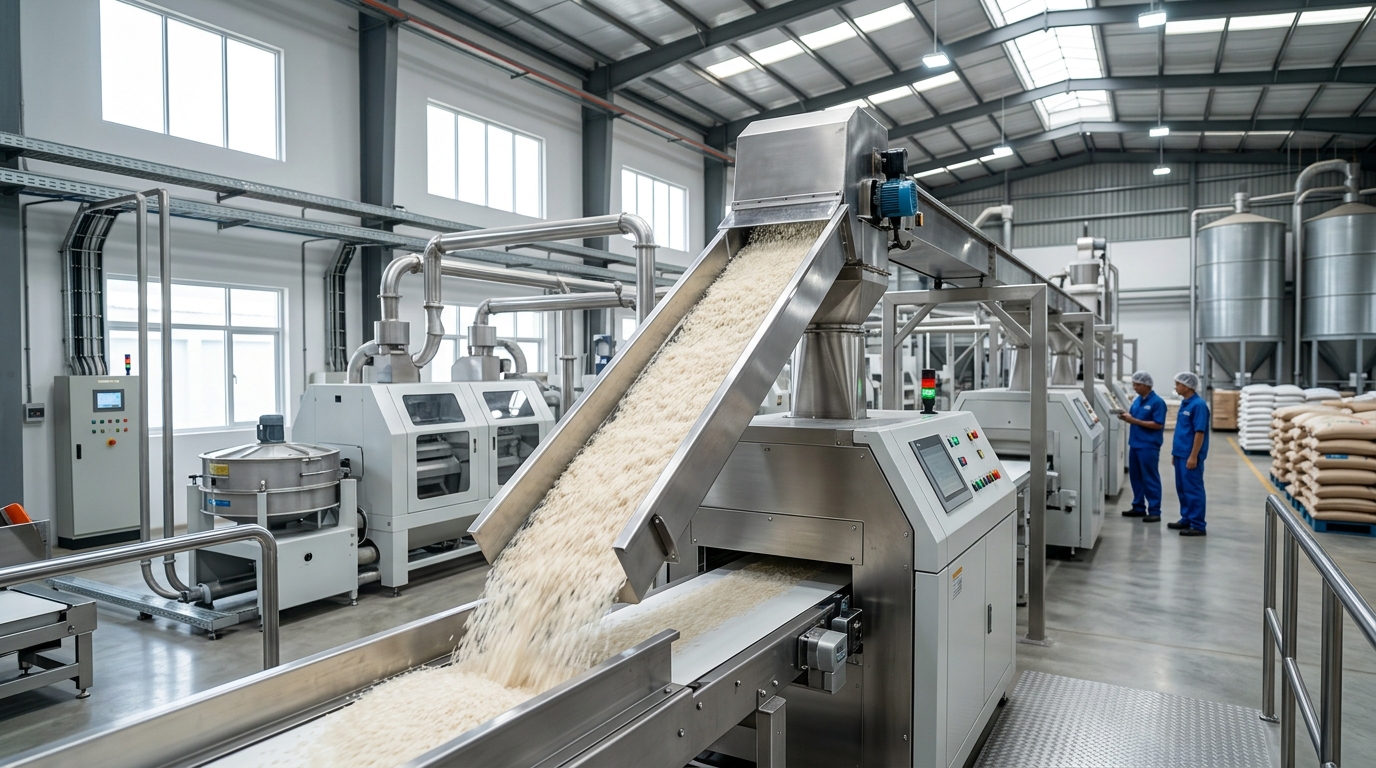
Rice processing through milling, whitening, and sorting determines final quality, affecting appearance, cooking characteristics, and market value.
Read Article →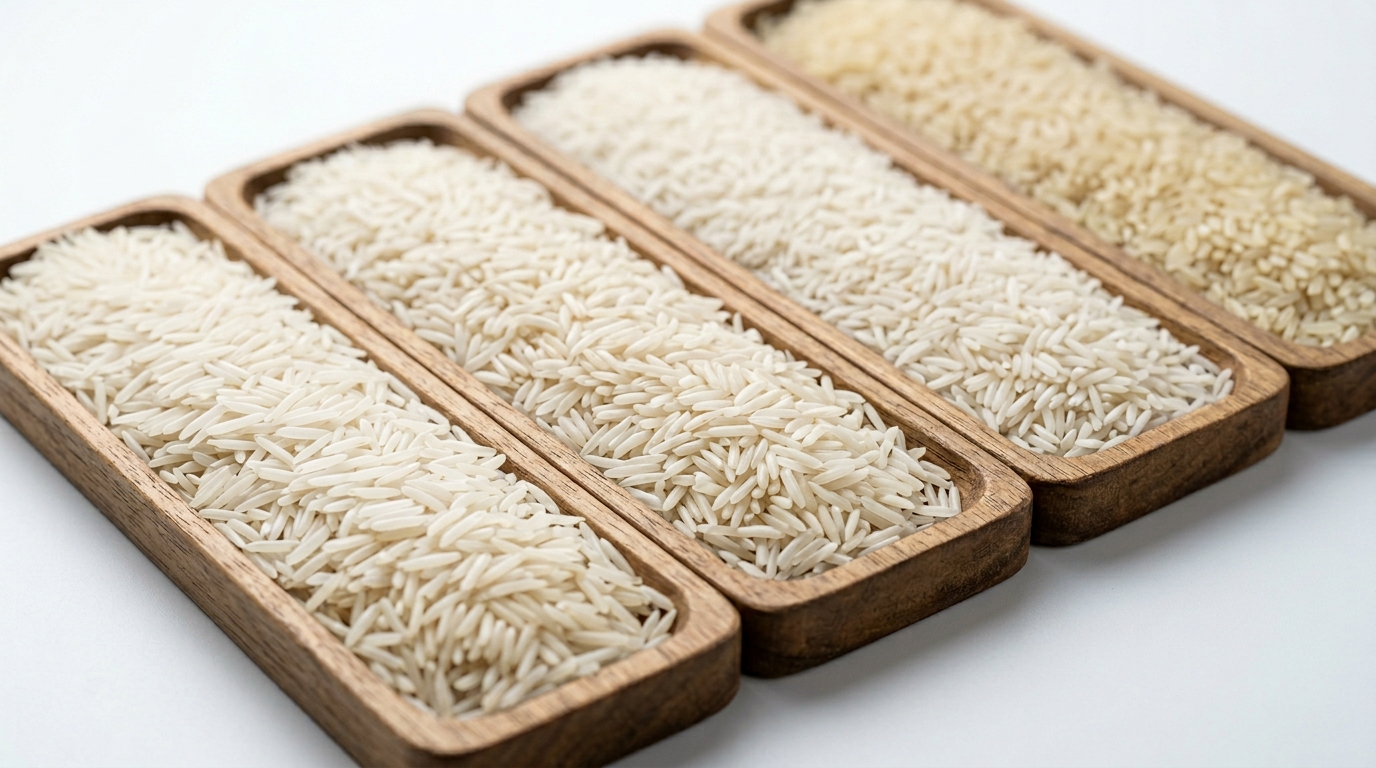
Basmati rice grading standards define specific requirements for grain length, broken percentage, moisture, and purity for export markets.
Read Article →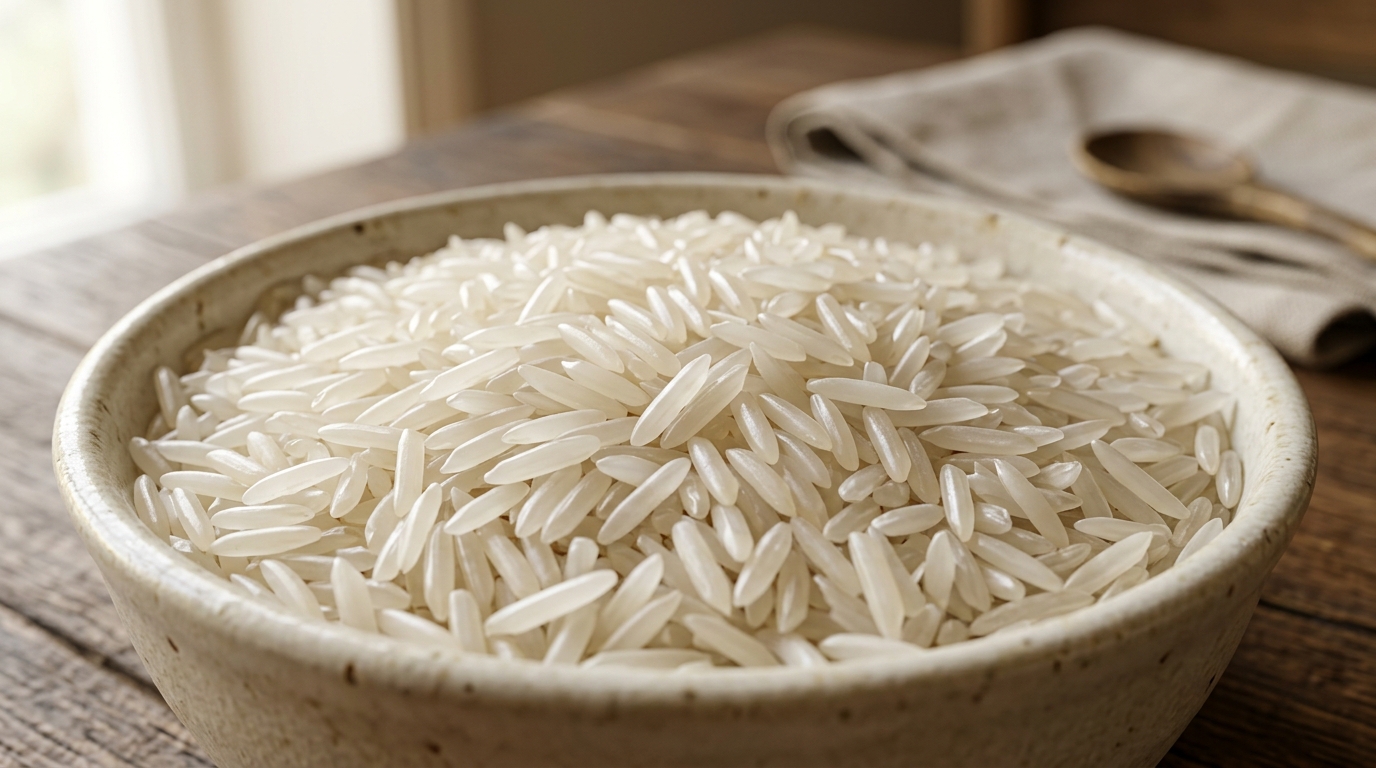
Premium rice quality emerges from the convergence of grain dimensions, milling excellence, cooking performance, and proper moisture management.
Read Article →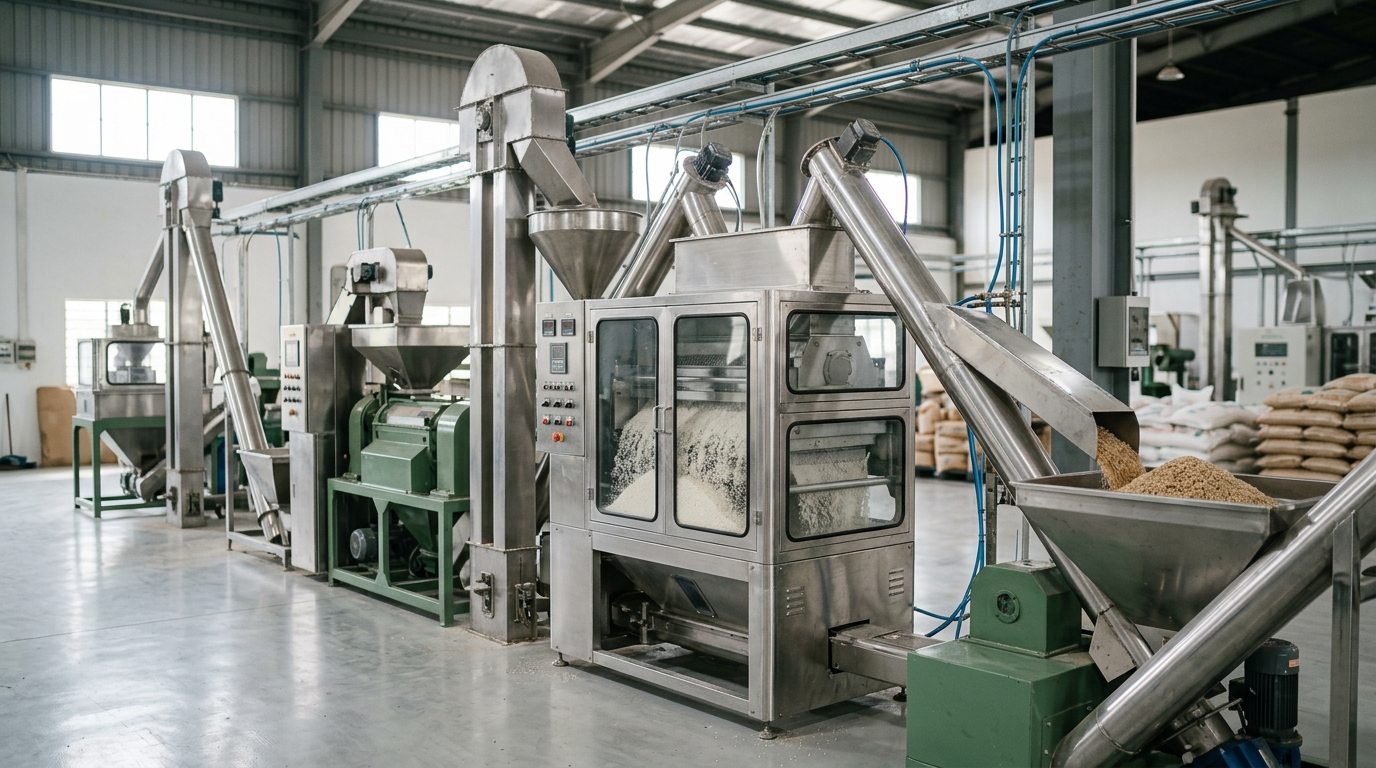
Modern rice mills use automated systems for hulling, whitening, polishing, and color sorting to produce consistent high-quality rice.
Read Article →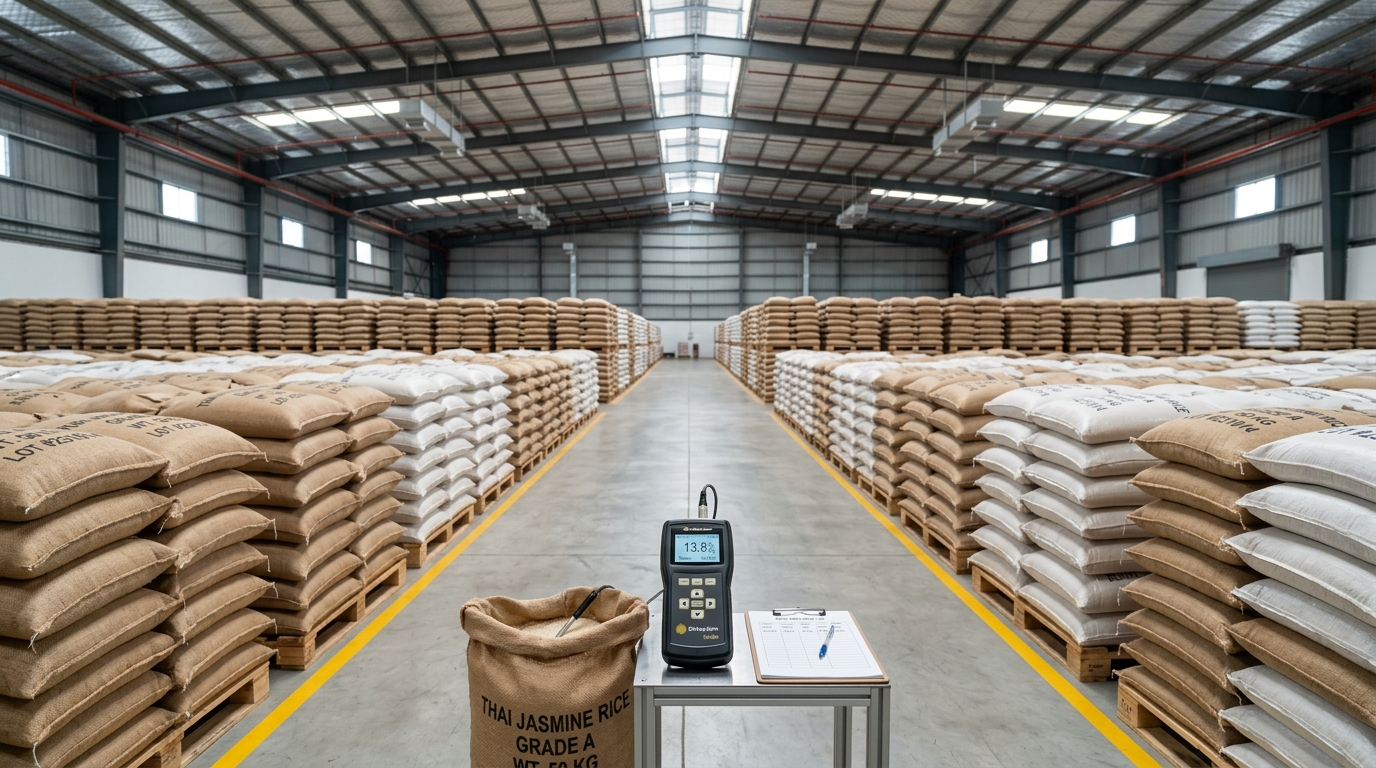
Proper moisture control is essential for rice storage stability, preventing mold, insect damage, and quality deterioration.
Read Article →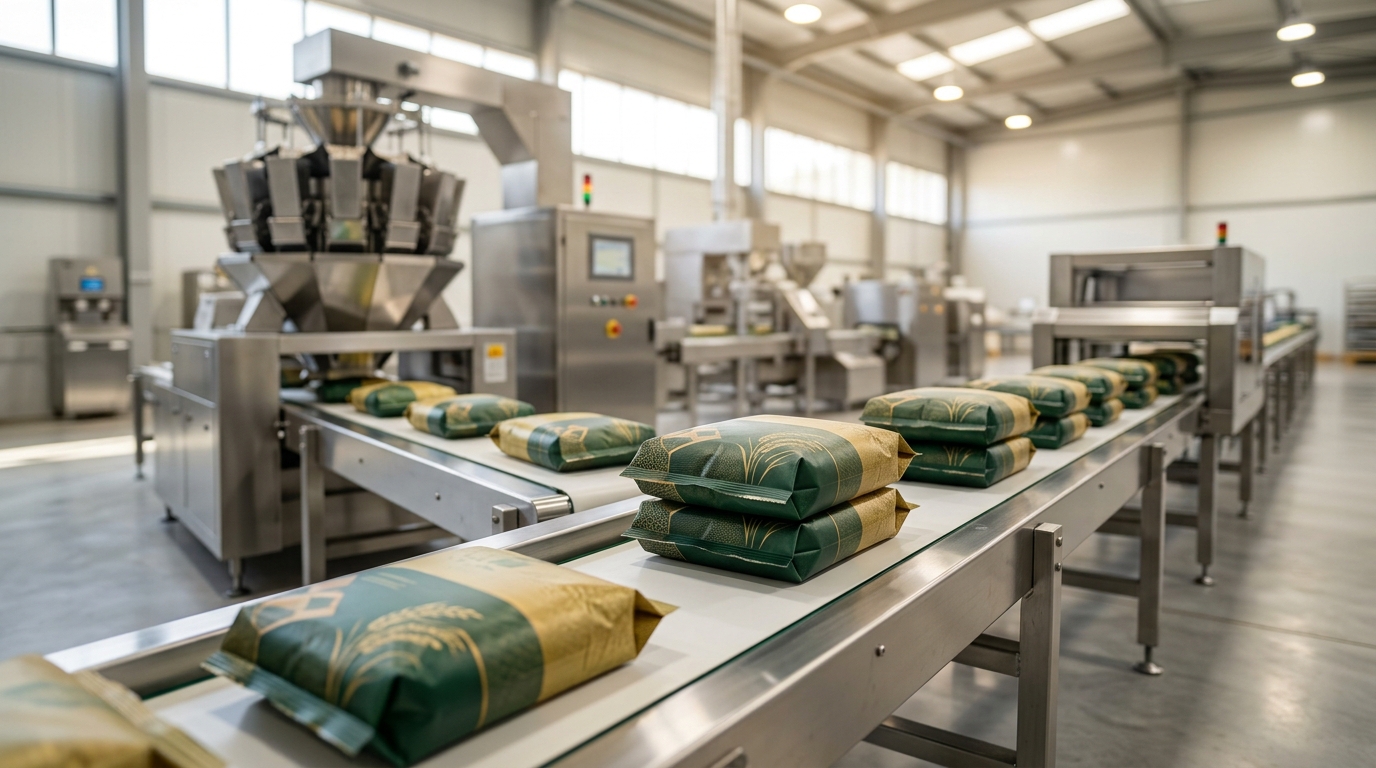
Rice packaging protects against moisture, oxygen, and contamination while preserving freshness from mill to consumer.
Read Article →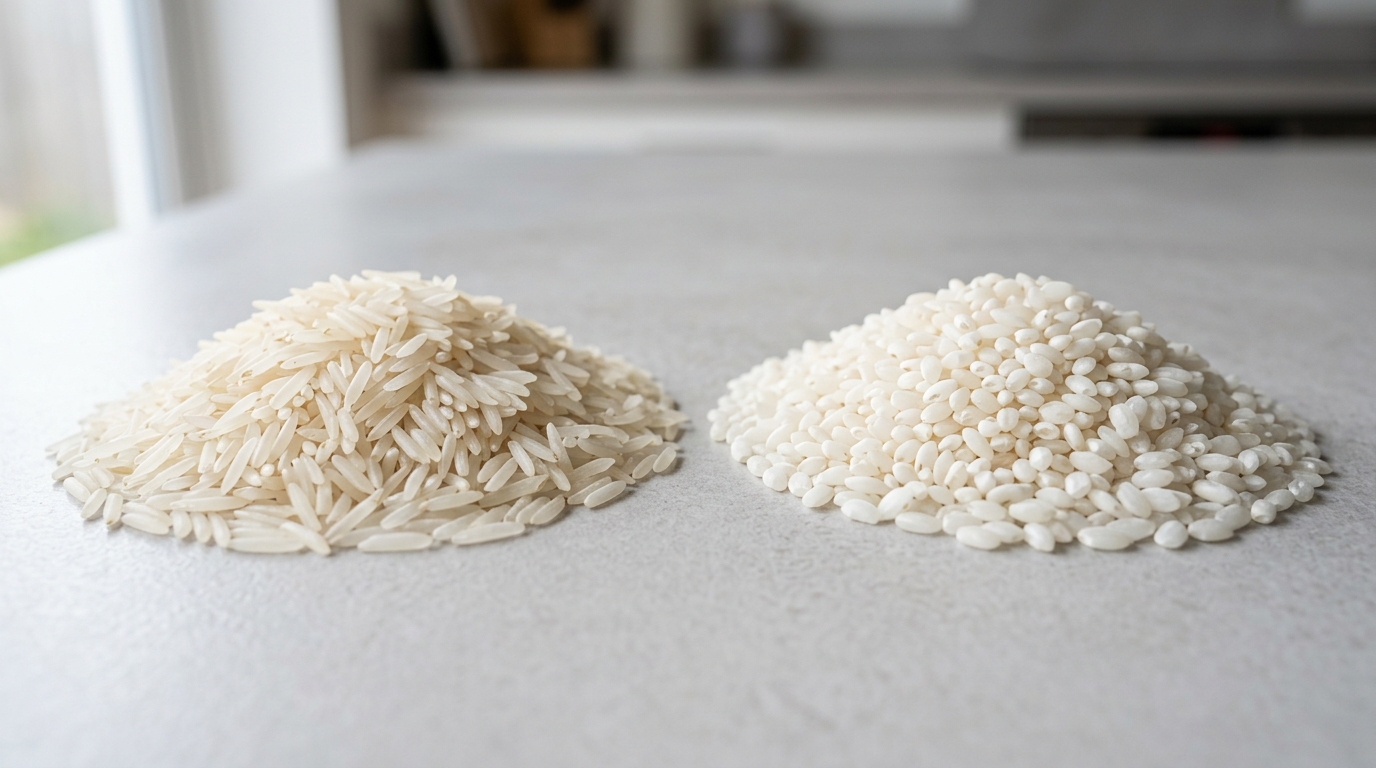
Basmati offers premium long grains with aroma and elongation; Non-Basmati provides higher yields and lower commodity pricing.
Read Article →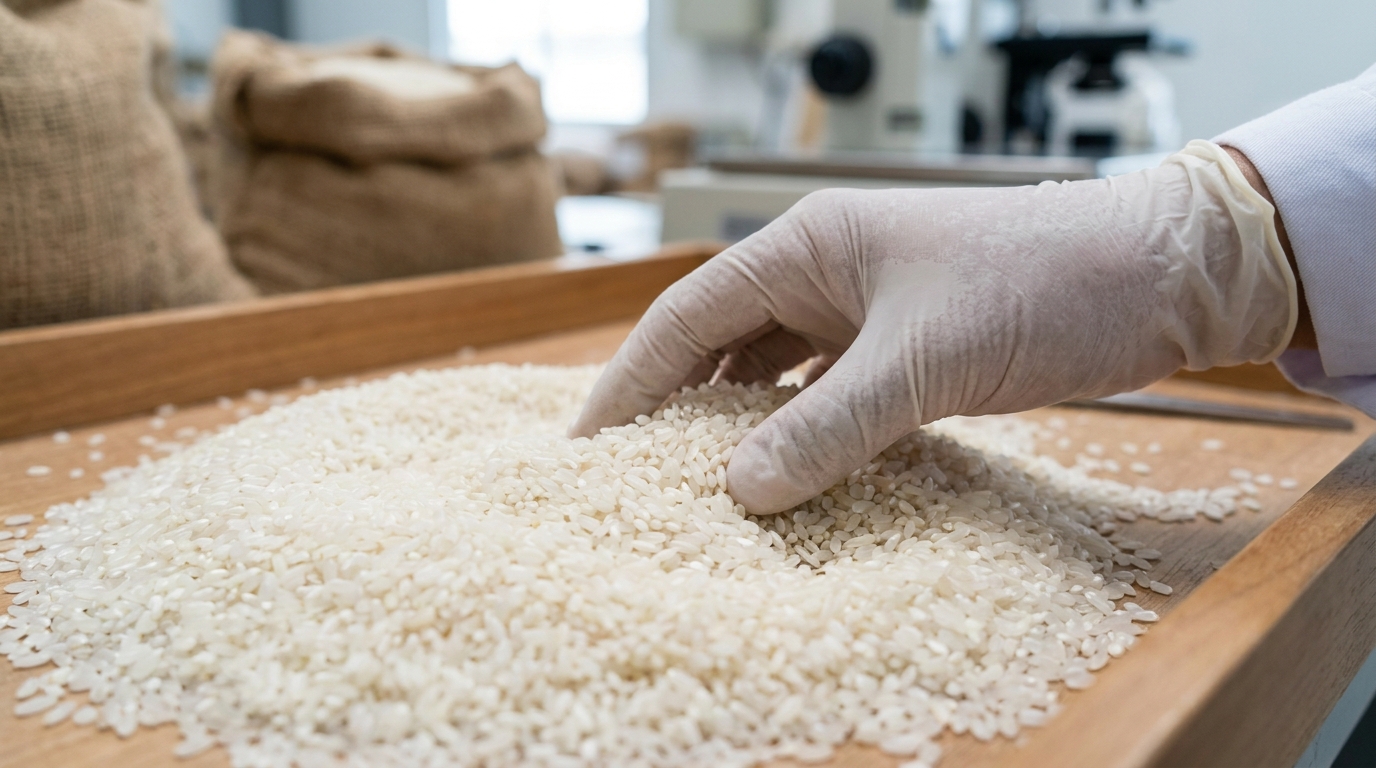
Identifying export-quality rice requires systematic assessment through sampling, visual inspection, physical analysis, and cooking tests.
Read Article →Navigate the international rice trade landscape with expert insights

International rice export relies on Incoterms, payment terms like L/C, and third-party inspection to enable global trade.
Read Article →
Rice export requires commercial documents, quality certificates, and Pakistan-specific paperwork; accurate documentation prevents costly delays.
Read Article →
Pakistan exports Basmati to Gulf markets, Non-Basmati to Africa, and bulk varieties to Asian markets like China.
Read Article →
Global rice trade faces challenges in quality consistency, logistics, price volatility, and regulatory compliance requiring management.
Read Article →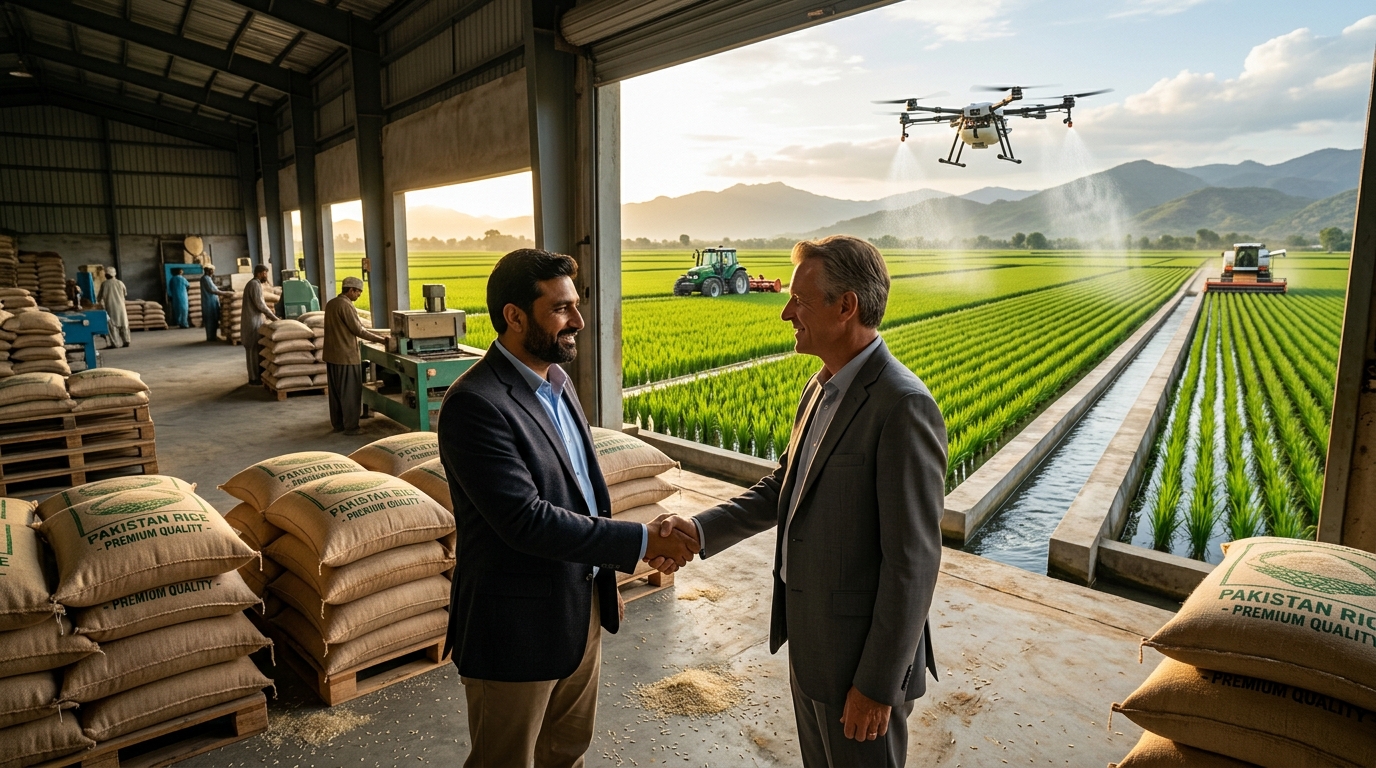
Choosing reliable rice export suppliers requires systematic assessment of production capability, quality systems, and financial stability.
Read Article →
Global rice demand grows through population increase, income-driven premiumization, and urbanization, with climate constraints creating challenges.
Read Article →
How adherence to international quality standards like ISO, HACCP, and SGS inspection drives success in rice exports — covering certification processes, buyer trust, and market access benefits.
Read Article →
A comprehensive starting guide for entrepreneurs entering the rice export industry — covering licensing, documentation, supplier sourcing, financing, and global market entry strategies.
Read Article →Connect with us today to discuss your requirements and discover how we can serve your business.
Get in Touch