Global rice markets respond to five overlapping forces: population growth driving base demand, income changes shifting consumption toward premium varieties, urbanization altering purchasing patterns, climate impacts constraining supply growth, and trade policy interventions reshaping competitive dynamics. Understanding these forces helps anyone in rice trade anticipate developments rather than simply reacting to them, according to international rice research from FAO.
Population growth toward 9.7 billion by 2050, concentrated in rice-consuming regions, creates structural demand increases. Simultaneously, rising incomes in developing economies drive "premiumization"—consumers shifting from basic commodity rice toward higher-quality varieties. The combination of demand growth and supply constraint from climate impacts creates the fundamental market tension that will characterize coming decades.
Population Growth and Base Demand
Rice consumption is fundamentally driven by population—more people require more rice regardless of income or dietary preferences. Global population projections show continued growth from current 8 billion toward 9.7 billion by 2050, with most growth concentrated in regions where rice is the primary staple.
The population growth translates to meaningful demand increases, particularly in Sub-Saharan Africa, where rice consumption has been growing faster than population as urbanization shifts consumption patterns. The growth isn't uniform—East Asian population stabilization means stable demand there—but the aggregate global growth creates structural upward pressure on rice consumption.
What makes this trend significant for traders is its predictability. Population-driven demand growth doesn't fluctuate with short-term market conditions—it provides a steady foundation that buffers against demand shocks in other sectors.
Income Growth and Dietary Shifts
Income growth changes not just how much rice people consume but what kind of rice they want. As incomes rise in developing economies, consumers shift from basic commodity rice toward premium varieties, specialty products, and higher-quality preparations.
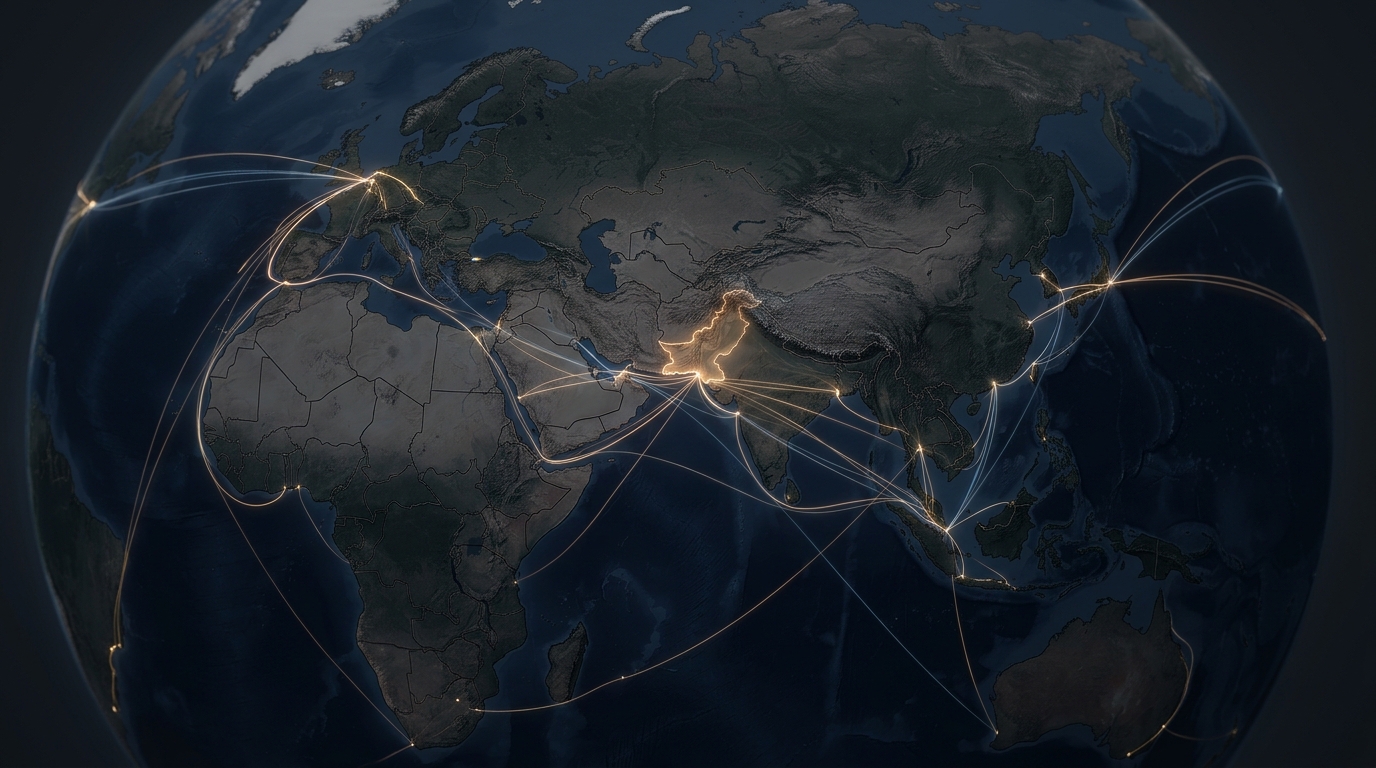
This "premiumization" trend shows clearly in Basmati rice demand. Markets with rising incomes—Gulf states, Southeast Asia, parts of Africa—show growing demand for premium Basmati despite price premiums that would have been barriers at lower income levels. The top countries importing Pakistani rice reflect this shift toward quality-focused purchasing across broader income segments.
The premiumization trend creates opportunities for quality-focused exporters while commoditizing the lower end of the market. The question isn't whether premium demand will grow but whether supply chains can deliver premium quality consistently.
Urbanization's Complex Effects
Urbanization reshapes rice demand in ways that merit careful attention. Urban populations consume differently than rural populations—more processed foods, more eating outside the home, more attention to convenience, different portion sizes.
Urban rice consumption tends toward:
- Higher share of total food spending on rice despite lower volumes
- Preference for convenient formats (pre-washed, portioned, quick-cooking)
- Willingness to pay for quality that saves preparation time
- Brand sensitivity that rural markets lack
These urban consumption patterns create different market segments than traditional bulk commodity trade. The premium packaging, processing quality, and brand development that urban markets demand require different capabilities than shipping bulk containers to wholesale markets.
Simultaneously, urban population growth reduces farm labor availability, creating production challenges that pressure supply. The urbanization that drives premium demand also constrains production growth.
Climate Change Impacts on Production
Climate change affects rice production through multiple channels—temperature stress, rainfall variability, sea level rise affecting coastal production, and extreme weather events disrupting harvests. The International Food Research Institute projects that rice yields in many producing regions will decline 10-20% by mid-century without adaptation interventions.
The climate impacts aren't uniform across regions. Some areas will see improved conditions; others will face increasing stress. The overall effect is a supply constraint that would have existed regardless of demand trends—the combination of demand growth and supply constraint creates the fundamental market tension that will characterize coming decades.
For rice traders, climate impacts create both risks and opportunities:
Supply volatility: Climate-induced yield variability creates supply fluctuations that affect pricing and availability. The years with poor harvests will see price spikes that affect all market participants.
Geographic shift: Production may shift geographically as some regions become less suitable while others improve. Trade flows will adjust accordingly.
Adaptation investments: Climate-smart rice production practices—drought-tolerant varieties, water-efficient techniques, stress-resistant genetics—represent investments that enable continued supply growth despite climate pressure.
Technology and Supply Chain Evolution
Technology is reshaping rice supply chains in ways that create both opportunities and disruption:
Precision agriculture: GPS guidance, sensor-based monitoring, and variable rate application improve production efficiency and reduce environmental impact. Early adopters of precision agriculture achieve both cost savings and yield improvements.
Processing technology: New milling technologies—optical sorting, laser-based quality assessment, automated packaging—enable quality levels that traditional processing couldn't achieve. Processing technology investment creates capability advantages.
Digital trade platforms: Emerging platforms for rice trading may reduce information asymmetries and enable more efficient price discovery. While rice remains a relationship-based trade, digital platforms increasingly connect buyers and sellers.
Blockchain traceability: Supply chain transparency using blockchain technology addresses consumer demand for knowing where their food comes from. Premium markets increasingly request—or demand—traceability that blockchain enables.
Trade Policy and Market Access
Trade policy changes affect rice markets through tariffs, quotas, export restrictions, and preferential trade agreements. The policy landscape has evolved significantly and will continue evolving:
Preferential trade agreements: Regional trade agreements increasingly shape rice trade flows. The Pakistan-UAE relationship, ASEAN integration, and African Continental Free Trade Area all affect rice market access. Understanding agreement provisions enables strategic market positioning.
Export restrictions: Major producing countries periodically implement export restrictions—bans, quotas, minimum prices—to ensure domestic availability. These restrictions create market disruptions that disciplined traders anticipate and manage.
Tariff reduction: Progressive tariff reduction through trade agreements gradually opens markets that were previously protected. The tariff reductions create both competitive pressure and opportunity.
Market Growth Projections
Understanding where markets are heading helps strategic planning:
| Market Region | Projected Growth | Key Drivers |
|---|---|---|
| Sub-Saharan Africa | High (3-4% annually) | Population growth, urbanization, income growth |
| Southeast Asia | Moderate (1-2% annually) | Income growth, premiumization |
| Middle East/Gulf | Moderate (1-2% annually) | Population growth, premium Basmati demand |
| East Asia | Low/Stable | Population stabilization, dietary diversification |
| Europe/North America | Low but high value | Diaspora demand, specialty markets |
Conclusion
Global rice markets will grow substantially over coming decades, driven by population growth, income increases, and urbanization. The growth isn't uniform—some markets will expand rapidly while others stabilize—but the aggregate demand increase creates opportunity for prepared participants.
The challenges—climate impacts, production constraints, policy volatility—create risks but also opportunities for those who understand them. The rice trade participants who will thrive are those who develop the expertise to anticipate trends, adapt to changes, and position strategically for the markets of tomorrow. If you're interested in discussing how these trends might affect your sourcing strategy, contact our team for personalized insights. For comprehensive global rice production data and forecasts, according to international rice research from IRRI provides detailed market intelligence.