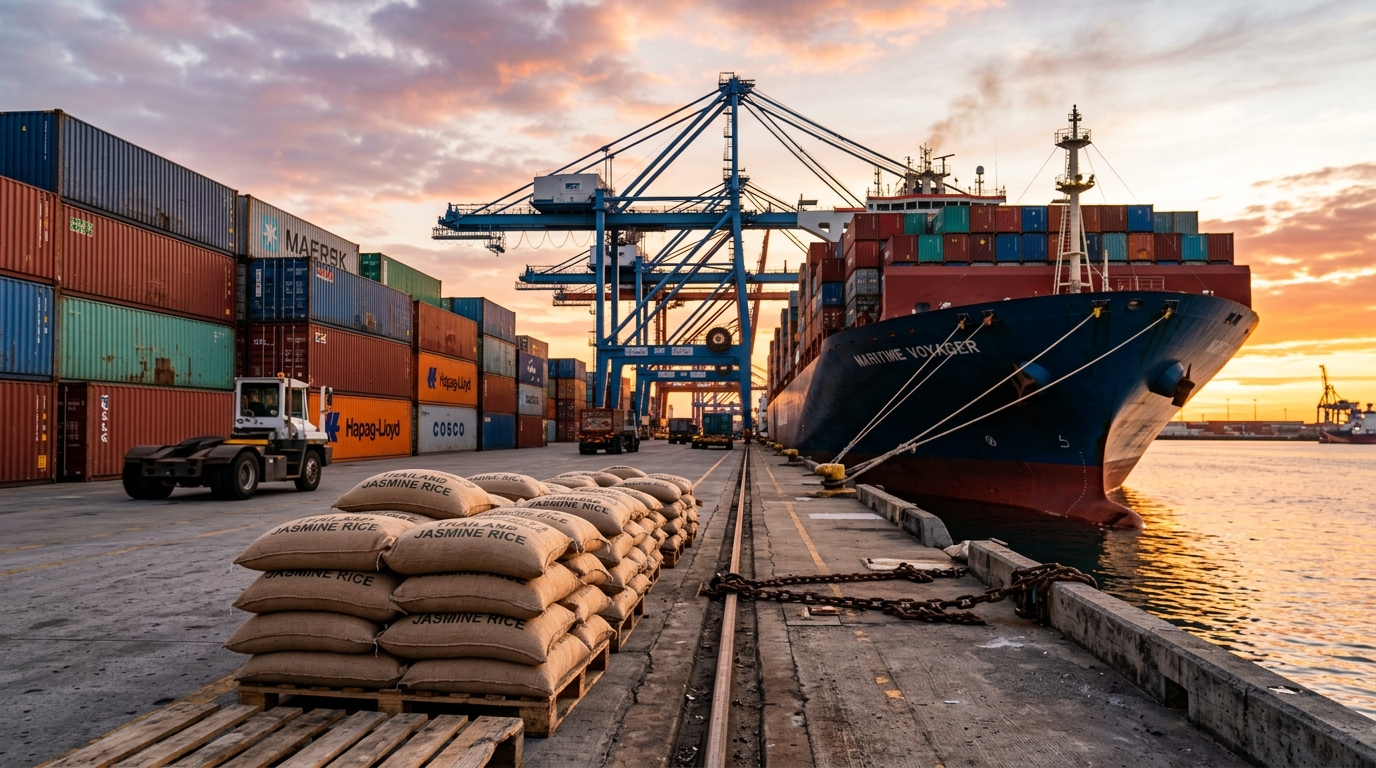
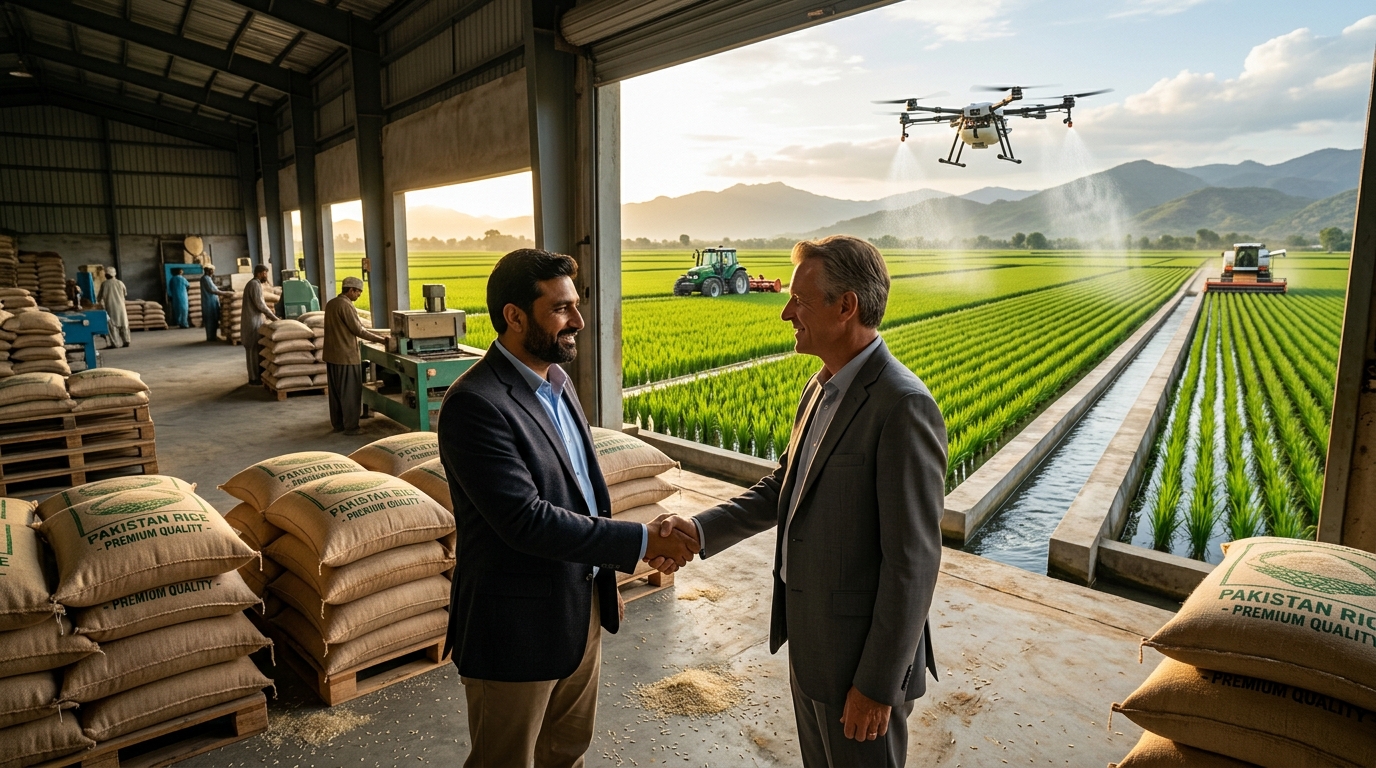
Starting a rice export business requires navigating six interconnected areas: market research, regulatory compliance, supplier relationships, logistics arrangements, financial instruments, and customer development. Success depends on tackling all of them simultaneously—neglecting any one creates bottlenecks that block the entire operation.
Before diving in, a reality check: rice export is competitive, complex, and capital-intensive. Success requires more than adequate capital and good intentions—it requires genuine expertise in rice quality, international trade mechanics, and relationship management. This guide provides the roadmap; the expertise must be developed through learning and experience.
Phase 1: Foundation Building
Before any commercial activity, establish the foundation that enables export operations:
Business Structure and Registration
Establish the legal structure that enables export operations. In Pakistan, this typically means:
- Company registration: Private limited company or limited liability partnership registration with the Securities and Exchange Commission of Pakistan (SECP)
- National Tax Number (NTN): Federal tax registration enabling formal tax compliance
- Sales Tax Registration: For GST-compliant export invoicing
- Export License: Ministry of Commerce export authorization for rice specifically
- Commodity-specific registrations: Provincial agriculture department registrations as required
Consult with a chartered accountant or business registration service to ensure the structure serves your operational needs. The registration phase costs modestly but enables all subsequent operations.
Banking Relationships
Establish banking relationships that enable international transactions. The requirements include:
Business bank account: A properly registered business account for commercial transactions
Foreign exchange facility: Arrange with your bank for foreign exchange transaction capabilities
Letter of Credit facilities: Establish L/C issuance and acceptance facilities that enable documented payment terms
Trade finance lines: Revolving credit facilities against inventory enable operations without tying all capital in stock
Banking relationships develop over time; start building them before you need them urgently.
Phase 2: Market Research and Positioning
Define your export strategy before pursuing it:
Target Market Selection
Not all export markets are equally accessible or appropriate for new exporters. Evaluate markets based on:
Entry barriers: Some markets require certifications, testing, or relationships that new exporters lack. Gulf markets with established Pakistani trade relationships offer easier entry than European markets requiring stringent compliance.
Volume potential: Mass markets—African bulk buyers, Asian industrial users—offer volume but thin margins. Niche markets—premium Basmati to European diaspora, specialty varieties—offer margins but limited volume.
Competitive dynamics: Who currently serves your target markets, and what advantages do you offer that established competitors lack?
My recommendation for new exporters: start with one or two accessible markets rather than attempting broad market coverage. Depth in limited markets builds the expertise and reputation that enables expansion.
Product Positioning
Define what you'll sell:
Variety selection: Basmati versus Non-Basmati, specific varieties within those categories
Quality tier: Premium grade for discerning buyers or commodity grade for price-sensitive markets
Packaging format: Bulk bags, retail packaging, specialty formats
Volume commitment: What consistent volumes can you realistically offer?
Phase 3: Supplier Network Development
Rice export requires reliable supply—developing supplier relationships takes time and attention:
Supplier Identification and Assessment
Identify potential suppliers through:
Industry directories: Rice Exporters Association listings, trade fair participation
Mill visits: Direct approaches to mills in production regions
Trade referrals: Industry contacts who know reliable suppliers
Assess suppliers using the criteria discussed in our detailed guide on how to choose reliable rice export suppliers—production capability, quality systems, financial stability, and communication quality.
Relationship Development
Supplier relationships develop through:
Initial transactions: Small initial purchases test supplier reliability before major commitments
Quality feedback: Constructive feedback on quality improves supplier performance
Volume growth: Growing order sizes rewards supplier investment in your relationship
Payment reliability: Consistent on-time payment builds trust that enables better terms
Phase 4: Operational Setup
Establish the operational capabilities for export execution:
Logistics Arrangements
Rice export logistics from Pakistan typically involves:
Port selection: Karachi Port and Port Qasim are the primary export facilities; understand their respective capabilities
Freight forwarding: Establish relationships with freight forwarders who handle documentation and vessel bookings
Shipping line relationships: Direct relationships with shipping lines or through forwarders provide booking priority
Container sourcing: Arrangements for container availability at load points
Documentation Systems
Export documentation requires attention to detail:
Contract templates: Standard contract formats (FOSFA or custom) ready for negotiation
Invoice and packing list templates: Documents meeting destination country requirements
Certificate coordination: Relationships with agencies issuing quality, phytosanitary, and origin certificates
Compliance checklists: Documentation checklists for each target market ensuring nothing is missed
Phase 5: Market Entry
With foundation, strategy, suppliers, and operations established, pursue market entry:
Customer Identification
Identify potential buyers through:
Trade fair participation: Gulf Food, Asian Food Expo, and other trade fairs connect with buyers
Trade directory presence: Listings in directories where buyers search for suppliers
Warm introductions: Industry contacts introducing you to potential buyers
Direct outreach: Research buyers in target markets and approach directly
First Transaction Management
Your first export transactions deserve extra attention:
Conservative terms: Letter of Credit terms protect both parties until trust develops
Conservative volumes: Start with smaller shipments that you can manage carefully
Intensive monitoring: Watch every aspect of first transactions closely—the learning value exceeds any efficiency loss
Problem resolution mindset: Problems will occur; how you handle them determines relationship trajectory
Capital Requirements
Rice export requires substantial capital for:
- Inventory purchase: Purchasing rice from suppliers before export realization
- Processing and packaging: Mill processing, packaging materials, and handling
- Logistics costs: Freight, handling, port charges, and insurance
- Documentation and compliance: Certificates, testing, and compliance costs
- Cash flow during transit: Working capital tied up during ocean transit
The capital intensity is significant. New exporters consistently underestimate working capital requirements. Plan for more capital than your initial estimate.
Timeline Expectations
Realistic timeline from idea to first shipment:
- Registration and foundation: 2-3 months
- Market research and strategy: 1-2 months concurrent
- Supplier development: 3-6 months (can overlap with registration)
- Operational setup: 2-3 months concurrent
- First shipment: 6-12 months from start, depending on circumstances
The timeline assumes adequate capital, reasonable market conditions, and efficient execution. Real world complications extend timelines beyond initial expectations.
Common Beginner Mistakes
Learning from others' mistakes helps avoid common pitfalls:
Insufficient capital: Running out of working capital mid-operation is the most common beginner failure
Unrealistic quality expectations: Expecting premium quality at commodity prices creates inevitable disappointments
Overextending across markets: Trying to serve everyone results in serving no one well
Neglecting documentation: Missing documentation requirements creates costly problems
Payment term mistakes: Extending terms beyond appropriate levels before trust justifies the risk
Conclusion
Starting a rice export business requires methodical attention to multiple simultaneous requirements—legal structure, market strategy, supplier relationships, logistics capability, and financial resources. The task is substantial but manageable when broken into phases.
The rice exporters who succeed are those who invest the time in building foundations before pursuing volume, who develop genuine expertise in their chosen markets, and who treat each transaction as an opportunity to learn and improve. The complexity that challenges newcomers creates the barriers that protect established operators. For current market context and global rice trade data, according to international rice research from FAO provides valuable insights into market conditions worldwide.