Rice quality isn't a single characteristic—it's the combination of genetic potential, growing conditions, harvest timing, processing care, and storage practices that collectively determine whether a given lot deserves premium pricing. Each dimension contributes independently, and weakness in any single factor limits the overall quality regardless of how well the others perform.
Understanding these quality factors serves practical purposes for everyone in the rice trade. Farmers can focus on practices that actually affect value. Traders can negotiate confidently knowing what matters. Importers can specify requirements that ensure they receive what they pay for. This article examines each quality dimension objectively.
Grain Dimensions and Shape
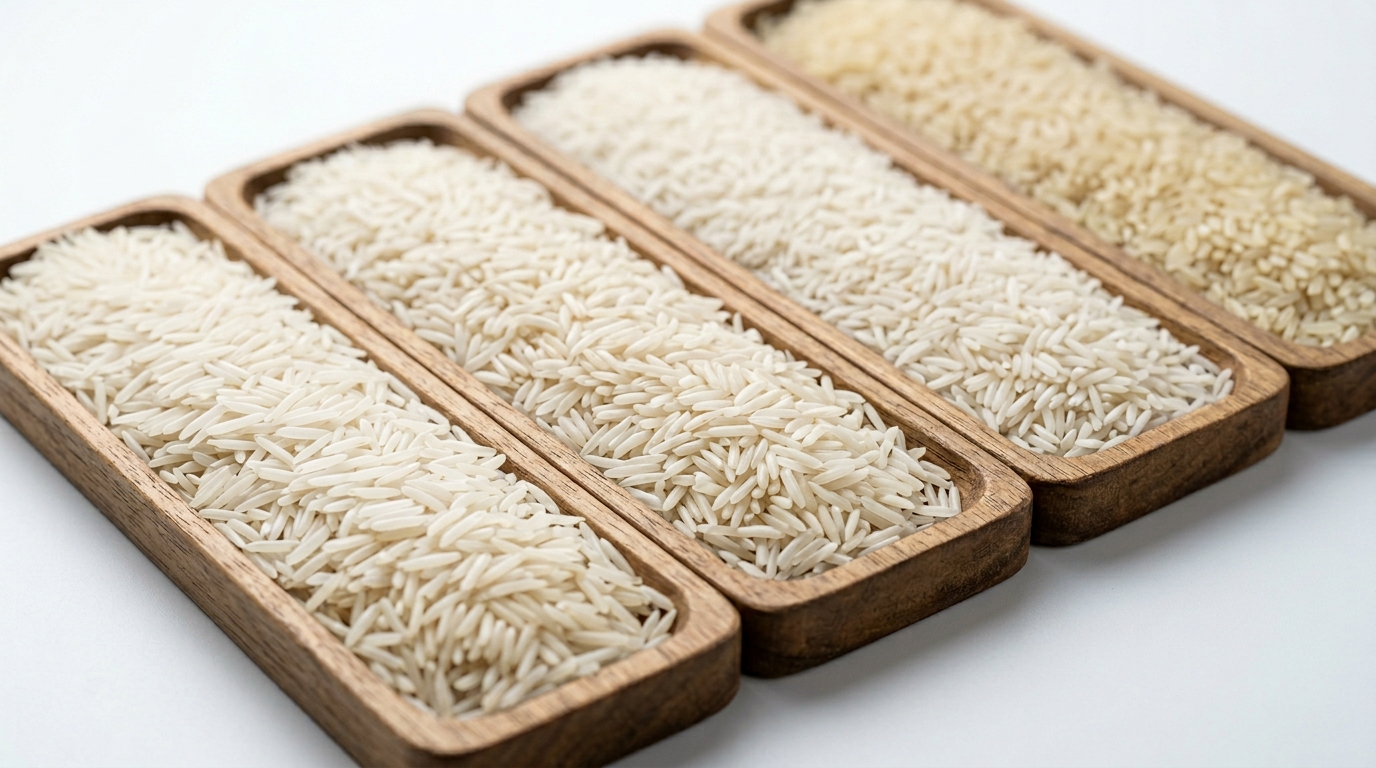
Grain length determines visual appeal and relates directly to cooking characteristics. Premium Basmati rice produces grains exceeding 7mm in length—a distinctive characteristic that commands premium prices in global markets.
Length measurement occurs after milling, using standardized procedures. Whole kernels are separated from broken grains, then measured for length using calibrated sieves or optical systems. The measurement must be accurate—disputes about length specifications are among the most common in rice trade.
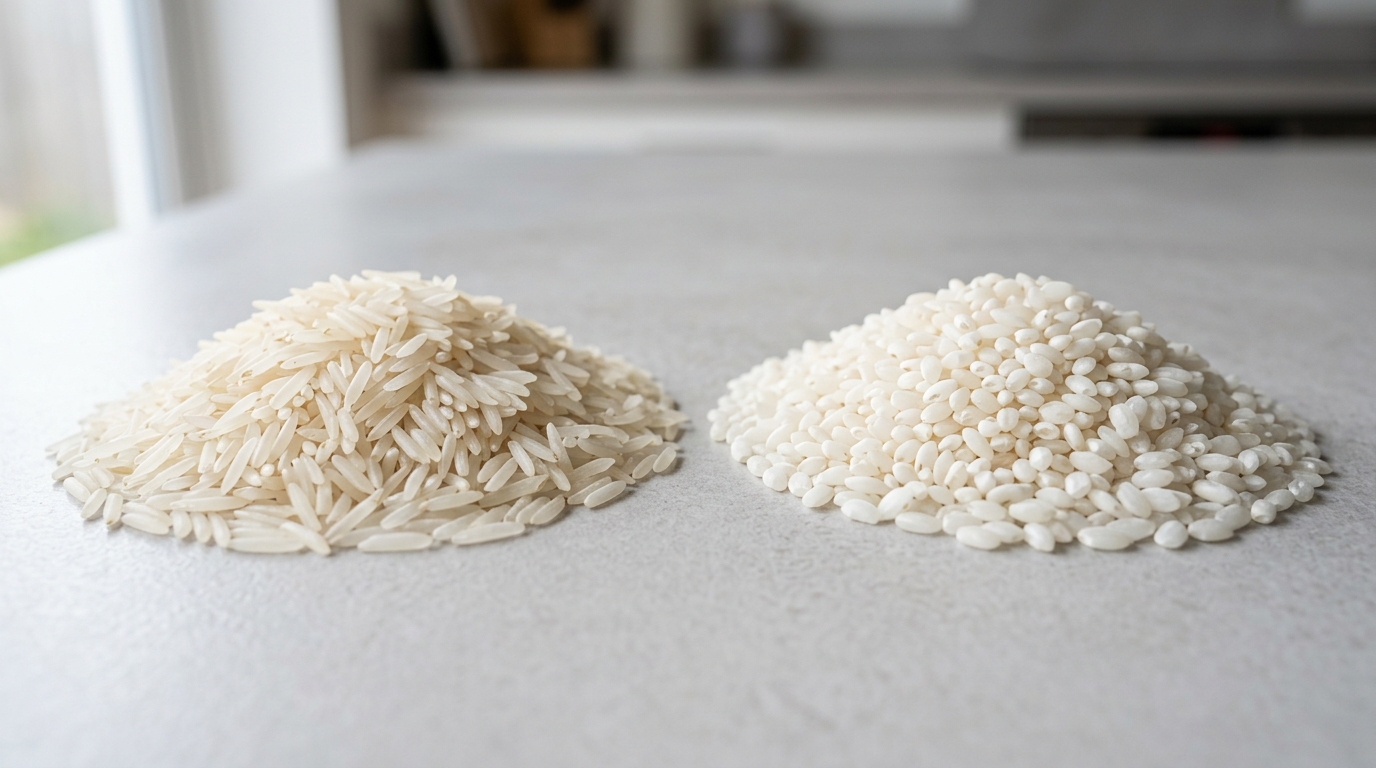
Length-to-width ratio distinguishes Basmati from other long-grain rice. The characteristic slim profile—with ratios exceeding 3.5:1—creates the elegant grain appearance that distinguishes authentic Basmati. Short, thick grains suggest either varietal contamination or processing problems that affect visual appeal and cooking quality.
Grain uniformity matters as much as average length. A sample with most grains at 7.5mm but some at 6.0mm presents differently than uniformly 7.0mm grain. Visual inspection reveals uniformity; technical measurement captures the statistics. Both assessment methods contribute to quality evaluation.
Cooking Characteristics: The True Test
Appearance gets rice noticed; cooking quality determines whether buyers return. Premium rice performs consistently across several cooking dimensions:
Elongation: Basmati's signature characteristic is grain elongation during cooking—raw grains approximately double in length when properly cooked. This elongation creates the distinctive appearance that makes Basmati recognizable, as covered in our comparison of Basmati versus Non-Basmati cooking properties. Varieties without elongation capacity lack this defining characteristic regardless of other qualities.
Aroma: The characteristic Basmati fragrance—often described as nutty or floral—develops during grain maturation and persists through processing. Aroma intensity varies by variety, growing conditions, and storage time. Fresh-harvested rice shows stronger aroma than stored product. The 2-acetyl-1-pyrroline compound responsible for Basmati aroma is now chemically characterized, enabling objective measurement alongside sensory evaluation.
Texture: Cooked Basmati should be dry, fluffy, and non-sticky with grains that separate cleanly. The texture results from specific starch composition—amylose content and gelatinization properties—that creates the characteristic mouthfeel. Excess amylose creates dry, separate grains; low amylose creates sticky, gluey rice. The optimal range for Basmati falls between these extremes.
Water absorption: Premium rice absorbs water efficiently during cooking, achieving proper texture at appropriate water ratios. Poor-quality rice either doesn't absorb water adequately (remaining hard) or absorbs too much (becoming mushy). The cooking ratio that produces optimal results—typically 1.5:1 to 2:1 water to rice—should be consistent across lots.
Milling Quality
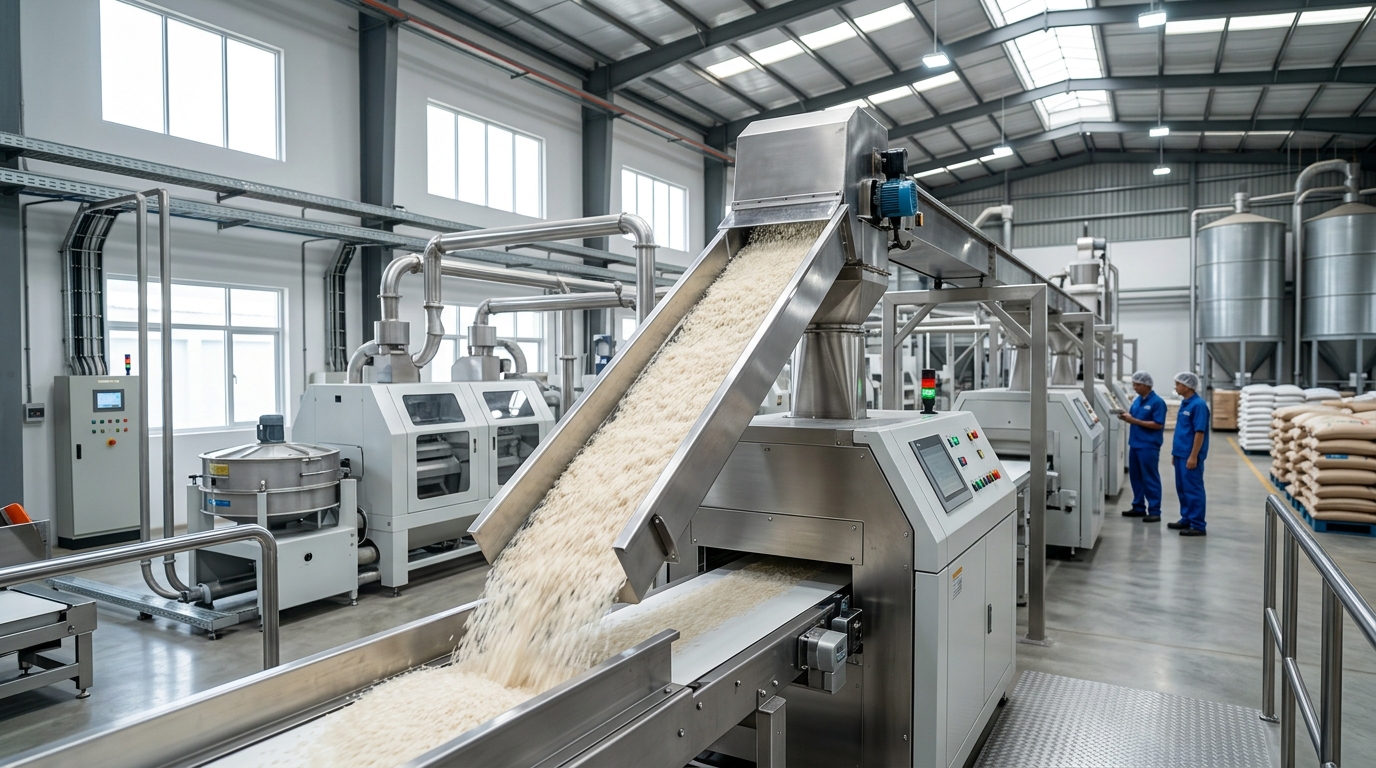
Milling quality determines how well the processing preserved the raw potential of the grain. Several factors indicate milling excellence:
Broken percentage: High-quality lots maintain whole grain integrity through processing. Excessive broken content indicates processing problems—improper moisture at milling, excessive whitening pressure, worn equipment, or rough handling. According to FAO quality standards, broken content affects both appearance and cooking quality, as broken grains cook differently than whole kernels.
Whiteness: The bright, clean appearance of properly milled rice reflects both processing quality and raw grain condition. Whiteness is measured on standardized scales with minimum values specified for each grade. However, excessive whitening can remove surface benefits—there's an optimal range rather than maximum whitening.
Surface cleanliness: After polishing, rice should have clean, smooth surfaces without residual bran specks or dust. These surface impurities affect both appearance and storage stability. Color sorting effectively removes imperfect kernels that mar surface appearance.
Moisture Content and Storage Stability
Moisture content below safe limits (12.5% maximum for most export specifications) is essential for storage stability. Excess moisture causes rapid quality deterioration through mold development, insect activity, and accelerated aging.
Equally important, moisture content affects processing quality. Rice milled too dry develops stress cracks that cause breakage during handling and cooking. Rice milled too wet doesn't process cleanly and may develop mold during storage. Optimal milling moisture typically falls between 12-14%, depending on subsequent storage conditions.
Storage stability differences between lots become apparent over time. Lots with borderline moisture, despite passing initial specifications, deteriorate faster than properly dried product. Quality-conscious buyers maintain storage conditions that preserve lot quality and verify moisture periodically.
Color and Visual Appearance
Color specifications ensure that rice presents properly in retail and food service settings. Premium rice shows consistent creamy-white color without yellow, gray, or other discolorations.
Yellow discoloration typically indicates improper drying or storage—heat damage, chemical oxidation, or microbial activity. Such discoloration suggests problems with lot handling that may extend beyond surface appearance.
Gray or dull coloration often reflects inadequate polishing or surface impurities that should have been removed during processing. While color-sorting technology has improved dramatically, lots that weren't properly sorted show visible defects in the packaged product.
Translucency provides another quality indicator. Whole, healthy rice kernels appear translucent when held to light; chalky or damaged kernels appear opaque. High-quality lots show predominantly translucent kernels with minimal opaque grains.
Impurity Levels
Foreign matter—whether organic (paddy, straw, weed seeds) or inorganic (stones, metal fragments)—represents both immediate quality concerns and potential food safety issues. Export standards specify maximum allowable impurity levels that must be met for clearance.
Stones in rice create serious consumer complaints and potential appliance damage. Modern processing effectively removes stones using density separators, achieving stone-free product well below specification limits. Lots with visible stones indicate inadequate processing that may extend to other quality aspects.
Paddy content—unhulled grains in milled rice—indicates incomplete processing or contamination. Paddy content above 0.5% suggests processing problems that likely affect other quality parameters.
Weed seeds and other organic impurities, while less immediately dangerous than stones, affect storage stability and create consumer complaints. Proper cleaning during processing should produce impurity-free product.
Chemical and Food Safety Standards
As global food supply chains have become more sophisticated, chemical residue standards have become increasingly important for export markets. These standards protect consumers from potentially harmful pesticide and chemical residues.
Different markets maintain different residue standards. The European Union maintains some of the most stringent requirements, with maximum residue limits (MRLs) for hundreds of compounds at very low levels. Other markets maintain different requirements that may be more or less stringent for specific compounds.
Quality-conscious exporters test shipments for compliance with destination market requirements before committing to export. This testing represents investment in risk management—rejected shipments cost far more than testing expenses.
Beyond pesticide residues, rice should meet standards for heavy metals (lead, arsenic, cadmium), aflatoxin levels, and microbiological safety. These tests are typically batch-level rather than lot-level, but persistent problems indicate sourcing or processing issues requiring attention.
Varietal Purity
Authentic Basmati rice comes from specific registered Basmati varieties that meet genetic purity requirements. Varietal contamination—grains from non-Basmati varieties mixed into Basmati lots—reduces both quality and market value.
DNA testing now enables objective varietal purity verification. While such testing isn't routine for every transaction, quality disputes often involve varietal verification as a resolution mechanism.
Visual inspection by experienced evaluators can detect many varietal contaminations—the grain shape, size, and characteristics differ enough for trained eyes to identify. However, subtle contamination may only be detectable through technical analysis.
The Interaction of Quality Factors
Premium rice quality emerges from the interaction of all factors—not maximization of any single characteristic. A sample with exceptional grain length but high broken content offers poor value. A sample with perfect specs but poor aroma fails premium buyer requirements. Quality assessment requires holistic evaluation.
The following table summarizes key quality specifications for premium Basmati export:
| Quality Parameter | Premium Grade Specification | Significance |
|---|---|---|
| Maximum Grain Length | ≥ 7.60 mm | Visual appeal, authentic Basmati characteristics |
| Average Grain Length | ≥ 6.00 mm | Overall grain quality, cooking performance |
| Length-to-Width Ratio | ≥ 3.5:1 | Distinguishes authentic Basmati profile |
| Broken Percentage | ≤ 5-10% | Processing quality, cooking consistency |
| Whiteness | ≥ 42 Kent scale | Visual appeal, processing quality |
| Moisture Content | ≤ 12.5% | Storage stability, processing quality |
| Organic Impurities | ≤ 0.5% | Cleanliness, food safety |
| Inorganic Impurities | ≤ 0.1% | Food safety, consumer protection |
| Heat Damaged Kernels | ≤ 0.5% | Storage/handling quality |
| Aroma | Strong characteristic fragrance | Authentic Basmati identity |
Conclusion
Premium rice quality emerges from the convergence of multiple factors—genetic potential, growing conditions, harvest timing, processing excellence, and proper storage. No single characteristic defines quality; rather, the consistent achievement of standards across all dimensions separates premium product from commodity rice. To understand how these quality factors are achieved through processing, explore our guide on Modern Rice Milling Techniques. Research shows that standardized quality parameters improve market consistency according to international rice research.
Understanding these factors enables informed decisions at every level of the supply chain. Farmers can focus on practices that genuinely affect value. Traders can negotiate confidently. Importers can specify requirements that ensure value alignment with price. The quality is in the details—and those details matter more than marketing language suggests.