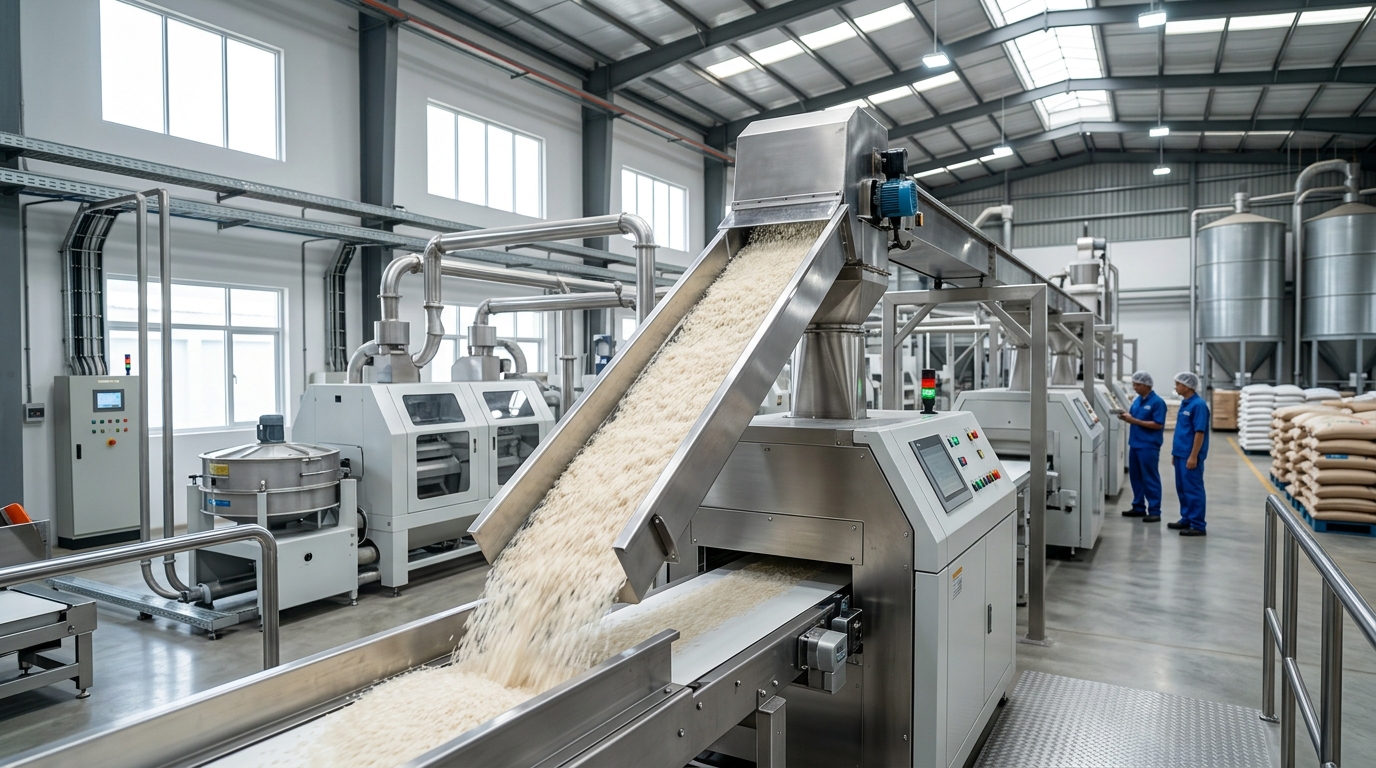
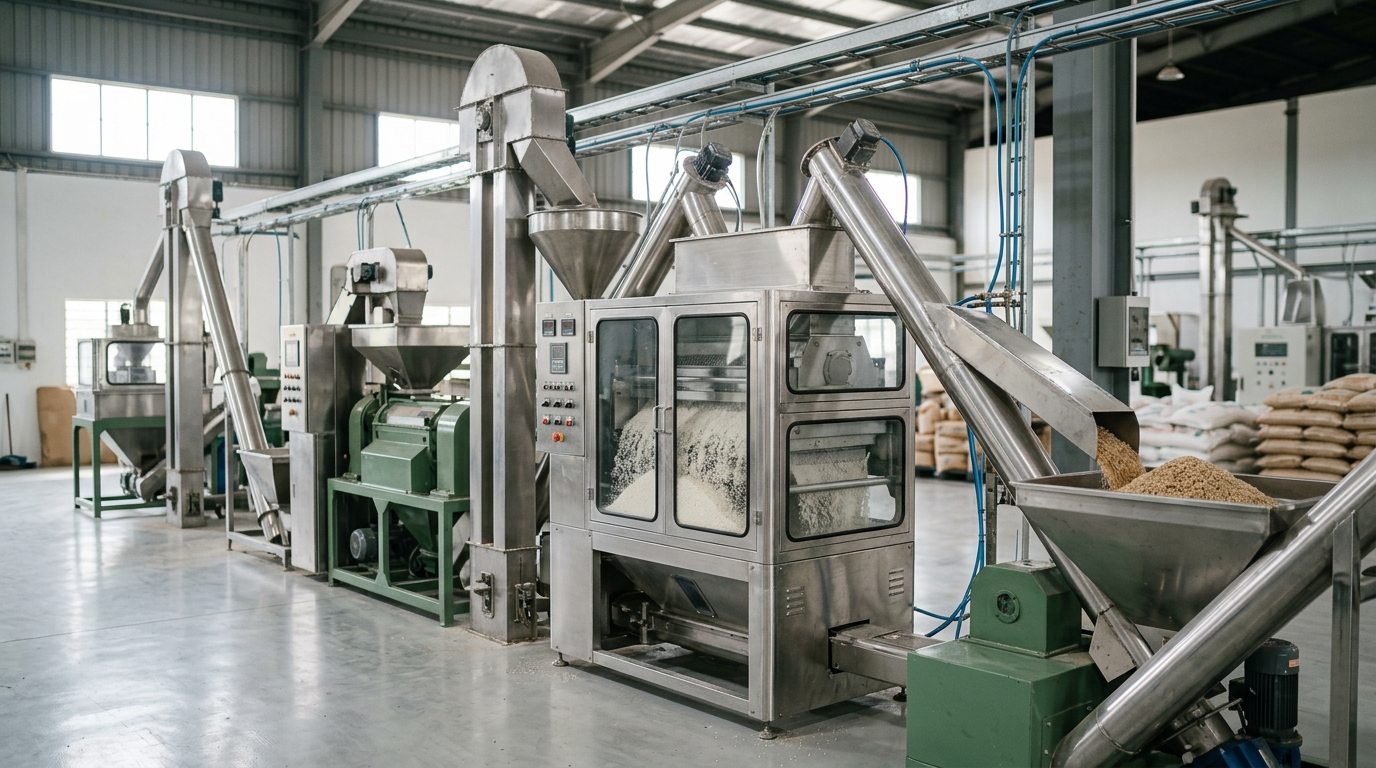
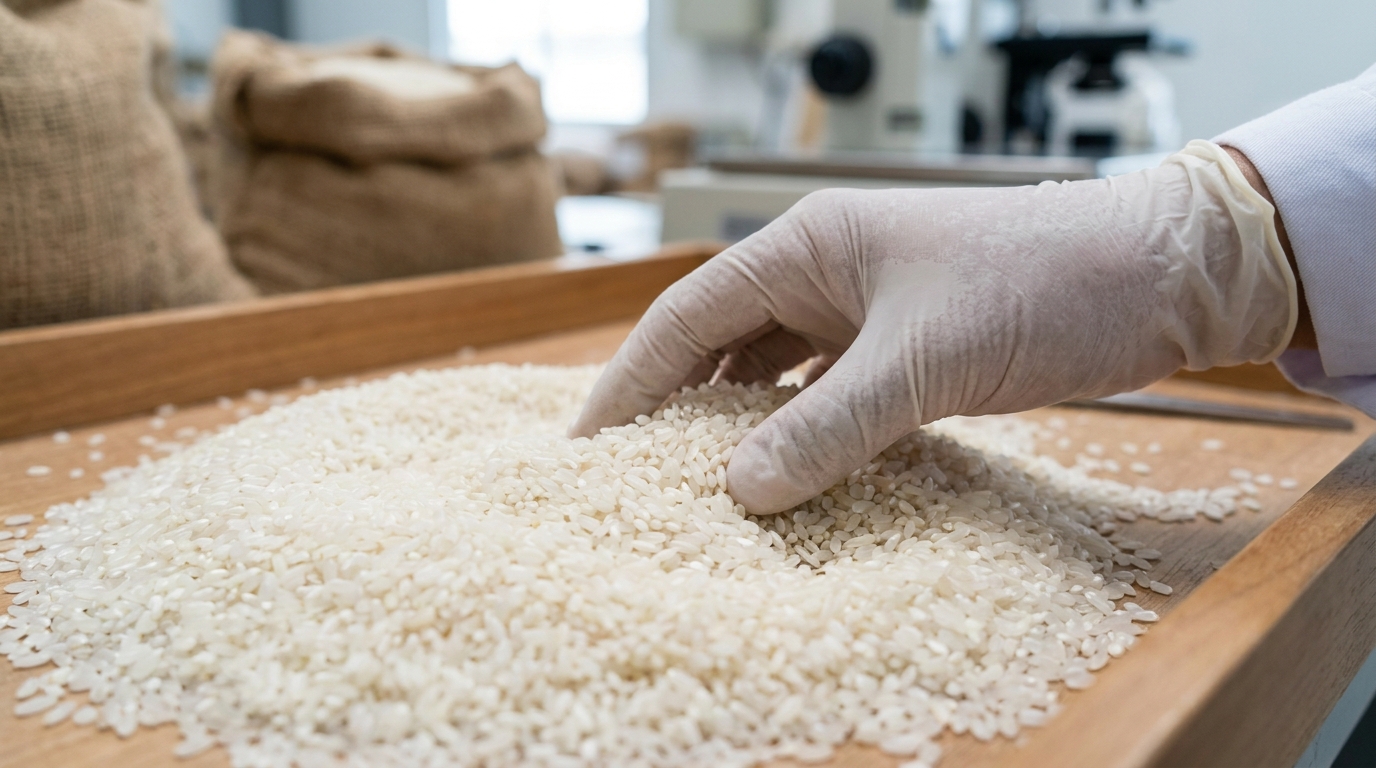
Basmati rice grading follows precise specifications: grain length minimum of 7.60mm, broken percentage under 5% for premium grades, moisture content below 12.5%, and whiteness within defined thresholds. These aren't arbitrary numbers—they're the enforceable standards that enable international rice trade between parties who may never meet face to face.
The grading system for Basmati rice evolved over decades to provide objective, enforceable quality specifications. Without these standards, international rice trade would collapse into endless disputes where buyers claim inferior quality and sellers dispute rejections. The specifications exist to protect both parties, ensuring that when a buyer pays for premium Basmati, they receive what they paid for.
The Grading Framework
Pakistan's Basmati rice export standards are established by the Pakistan Agricultural Standards (PAS) system, which aligns with international Codex Alimentarius standards while reflecting Pakistani Basmati characteristics. These standards aren't suggestions—they're legal requirements that export shipments must meet to clear customs in receiving countries.
The standards cover multiple quality dimensions:
- Grain dimensions (length, width, shape)
- Broken percentage
- Moisture content
- Whiteness and color
- Heat damage and discolored grains
- Organic and inorganic impurities
- Chemical residue limits
Understanding each specification enables informed purchasing decisions and appropriate price negotiations. A shipment meeting 100% grade requirements deserves premium pricing; a shipment at borderline specifications may be appropriately discounted.
Grain Length: The Most Discussed Specification
Grain length is specified as two measurements: maximum length of whole grains and average length across the sample. These measurements directly relate to the Basmati's premium characteristic—exceptional grain elongation during cooking.
The standard specification for premium export grade Basmati:
- Maximum length: 7.60mm minimum (whole kernels)
- Average length: 6.00mm minimum
- Length-to-width ratio: 3.5:1 minimum
These measurements occur after milling, using standardized procedures with calibrated equipment. The grain length specification reflects genetic potential plus processing quality—the variety must be capable of long grains, and processing must preserve that length without excessive breakage. For a comparison of how Basmati and Non-Basmati varieties differ in grain characteristics, see our detailed guide.
Measurement uses a Rice Grader with sieves calibrated to specific dimensions. Whole kernels are separated from brokens, then measured for length using either physical sieves or optical measurement systems. The precise methodology matters for consistent results between different testing locations.
Broken Percentage: Defining Grade Tiers
Broken percentage provides the most common basis for price differentiation among Basmati grades. International trade uses standardized categories:
- 100% Whole (Sella): Maximum 5% broken, including under-milled
- Super Kernel: Maximum 10% broken
- Extra Premium: Maximum 20% broken
- Premium: Maximum 25% broken
- Standard: Maximum 40% broken
These categories represent distinct market segments. Some buyers—particularly in Gulf countries—insist on Super Kernel or better specifications for household retail. Food service and industrial buyers often accept higher broken percentages that are less visible in prepared dishes.
Broken measurement uses standardized sieves. The process separates whole kernels from broken using sieve sizes, then calculates the percentage by weight. Accurate measurement requires proper sieve maintenance, representative sampling, and correct calculation.
Why Broken Percentage Matters
Beyond price differentiation, broken percentage affects cooking quality. Broken kernels cook faster than whole grains, creating uneven texture when whole and broken rice are mixed. For preparations where rice presentation matters—biryani, pulao, fried rice—high broken content is immediately visible and economically penalized.
Processing causes most breakage, so broken percentage serves as a proxy for processing quality. High broken content may indicate huller problems, improper moisture content during milling, or excessive whitening pressure. For buyers assessing processor quality, broken percentage provides useful information.
Whiteness and Color Specifications
Whiteness in rice is measured on a numerical scale, with higher numbers indicating brighter, cleaner-colored grain. The standard specification for premium Basmati typically requires:
- Whiteness: 42+ on the Kent scale (or equivalent)
- Color: Creamy white, free from yellow or gray discoloration
- Chalky kernels: Less than 5% of total
These specifications relate to both appearance and processing quality. Low whiteness scores often indicate inadequate polishing or surface impurities that affect storage stability and cooking quality. Yellow discoloration suggests improper drying or storage conditions that may indicate broader quality problems.
Chalky kernels—grains with opaque starchy areas rather than translucent centers—break more easily during milling and cooking. High chalky kernel content reduces both processing yield and eating quality. Chalkiness can result from premature harvest, drought stress during grain filling, or improper drying.
Moisture Content: Critical for Storage
Moisture content specifications protect against both immediate quality problems and long-term storage degradation. The standard maximum moisture specification for export Basmati is 12.5%, with some buyers specifying 12% for longer shelf life requirements.
Excess moisture causes immediate problems: mold development, insect activity, and accelerated aging that reduces eating quality. Rice above 14% moisture develops mold within weeks under typical storage conditions, particularly in humid climates.
Equally important, insufficient moisture causes stress cracks that increase broken percentage during milling and cooking. Rice dried too aggressively or below safe moisture levels develops internal fractures invisible externally but causing breakage when stressed.
Accurate moisture measurement uses calibrated moisture meters. The testing method matters—some meters give readings that correlate poorly with actual moisture when grain temperature varies. Professional buyers maintain moisture meters and verify readings before committing to purchases.
Heat Damage and Discoloration
Heat-damaged kernels—grains subjected to excessive heat during drying or storage—show distinct brown to black discoloration. These kernels reduce cooking quality and indicate storage conditions that may have affected the broader lot.
Specifications typically limit heat-damaged kernels to 0.5% or less in export grades. The limit is tight because heat damage represents a condition that affected the grain before processing, suggesting broader quality concerns with lot handling.
Discolored kernels from other causes—fungal staining, chemical damage, immature grain development—are similarly limited. Color sorters in modern mills effectively remove individual discolored grains, achieving much lower defect levels than the human eye can detect manually.
Impurity Standards
Foreign matter in rice includes organic impurities (paddy, straw, weed seeds) and inorganic impurities (stones, metal fragments, dust). Export standards specify maximum allowable levels:
- Organic impurities: Maximum 0.5%
- Inorganic impurities: Maximum 0.1%
- Paddy content: Maximum 0.5% (including 0.02% of other rice varieties)
Stone content receives particular attention because stones in rice cause serious damage to consumer appliances and create food safety concerns. Modern processing includes stone removal using density separators that achieve very low stone levels, typically well below specified limits.
Chemical Residue Standards
As global food safety awareness increased, chemical residue standards became increasingly important for export markets. The European Union maintains some of the most stringent residue limits, requiring testing for hundreds of pesticide compounds with very low maximum residue levels (MRLs).
The practical implications for exporters are significant. Pesticide applications during rice cultivation must follow protocols that ensure harvested grain falls below destination market limits. This requirement increasingly influences pest management decisions at the farm level.
Quality-conscious exporters maintain testing protocols that verify compliance before shipment. The cost of rejected shipments due to residue violations far exceeds the testing investment—this is risk management, not quality theater.
Conclusion
Basmati rice grading standards exist to enable global trade by providing objective, enforceable quality specifications. The framework covers grain dimensions, broken percentage, color, moisture, impurities, and chemical residues—every characteristic that meaningfully affects eating quality, cooking performance, or food safety.
Understanding these standards serves both buyers and sellers. Buyers can specify requirements precisely, verify compliance objectively, and make informed price/quality tradeoffs. Sellers can optimize operations to meet specification requirements, demonstrate quality compliance, and justify premium pricing for premium product. The FAO rice quality guidelines provide internationally recognized benchmarks according to international rice research that many exporting countries follow.