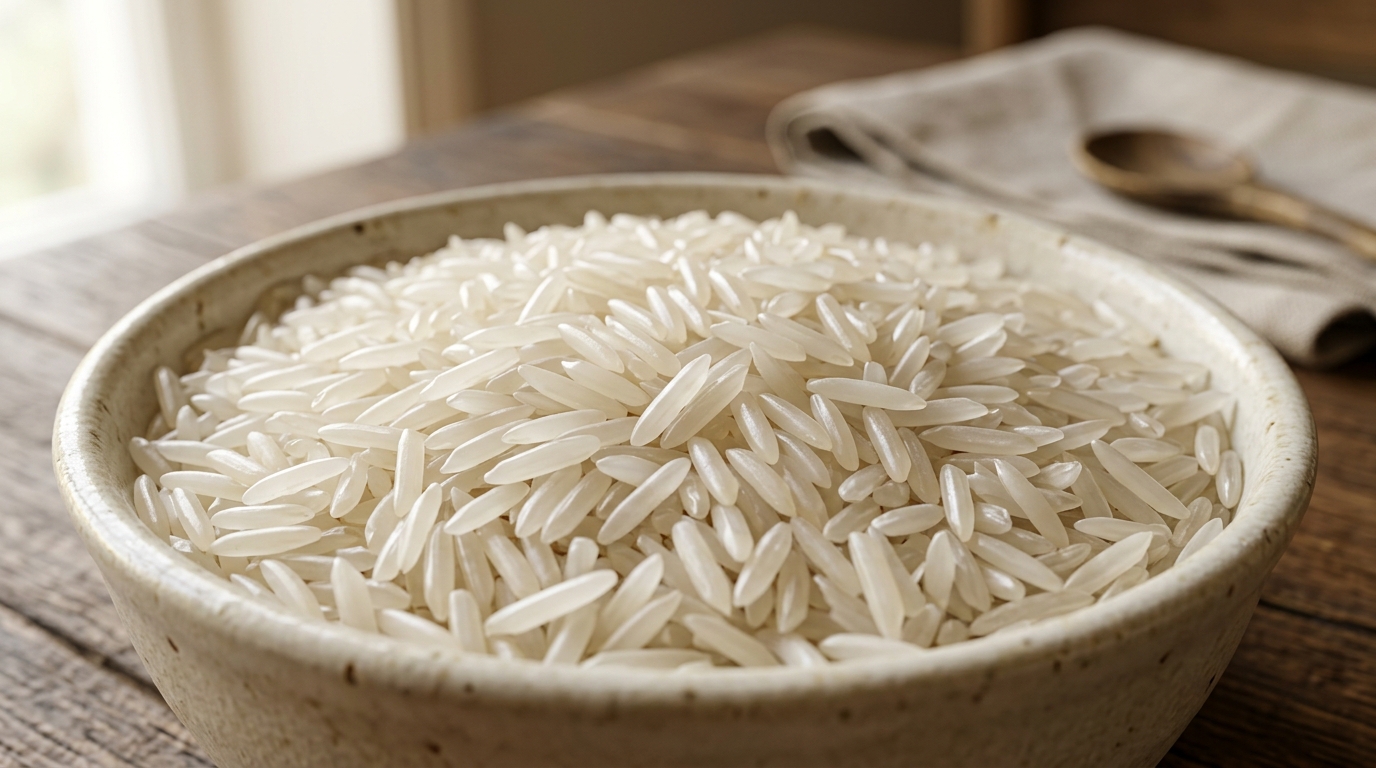
What determines whether a batch of paddy becomes premium Basmati or ordinary commodity rice? The answer is processing. The same starting material run through different mills can produce completely different results—varying in appearance, cooking characteristics, aroma, texture, and ultimately market value.
The processing sequence—cleaning, hulling, whitening, polishing, sorting, and packaging—each stage affects the final product. Understanding this chain helps buyers make better purchasing decisions and helps farmers appreciate why mill selection matters as much as variety selection.
The Journey from Paddy to Rice
Rice as we eat it differs fundamentally from the paddy that comes out of the field. Paddy consists of the rice kernel enclosed in tough, inedible hulls. Removing these hulls reveals brown rice—the whole grain with bran layers intact. Further processing removes bran to produce white or polished rice. The degree and quality of this processing determines everything about the final product.
This processing sequence isn't arbitrary. Each step affects subsequent operations and final quality. Skipping steps or doing them poorly cascades through the entire process, creating problems that show up in the finished product. Quality processing requires attention at every stage, according to USDA processing standards.
Cleaning: The First Step Matters
Before any processing begins, raw paddy must be thoroughly cleaned to remove debris, stones, weed seeds, and other foreign material. This cleaning stage determines the purity of what enters the mill and prevents damage to processing equipment.
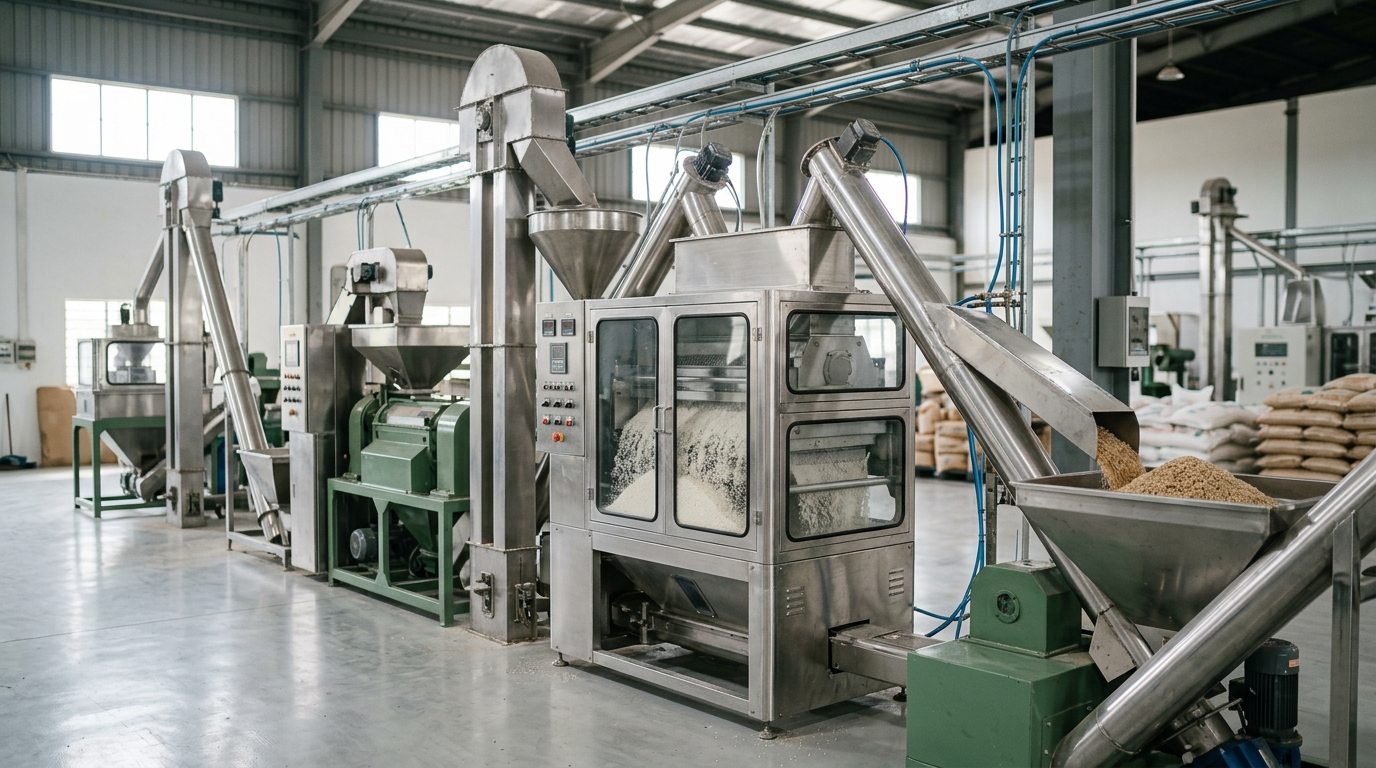
Modern cleaning lines use a combination of methods: oscillating screens separate large and small impurities, air streams remove lighter chaff and dust, and density separators remove stones that would damage downstream equipment. The sophistication of cleaning equipment varies widely between mills.
What many buyers don't realize is that inadequate cleaning affects finished product quality. Stones causing broken kernels during milling, weed seeds creating impurities in the final product, dust contributing to aflatoxin development during storage—the problems trace back to insufficient cleaning more often than expected.
Hulling: Separating Grain from Shell
The hull accounts for approximately 20% of paddy weight and must be removed before further processing. Hullers use rubber rollers or emery abrasives to frictionally remove hulls while minimizing damage to the underlying kernel.
Rubber roller hullers have largely replaced stone or emery wheels in modern facilities. The adjustable roller gap allows operators to optimize hull removal for specific rice varieties. Too tight a gap causes kernel breakage; too loose leaves hulls attached.
Two-pass hulling systems—running paddy through the huller twice—achieve better hull removal than single-pass systems while generating less broken grain. The trade-off is processing speed and throughput, which is why some mills cut corners with single-pass operations.
After hulling, the mixture of brown rice, unhulled paddy, and loose hulls requires separation. Paddy separators use gravity and vibration to separate whole grains from remaining paddy, which returns to hulling. This separation step determines how much paddy remains unprocessed in the finished product—unhulled grains represent waste and quality loss.
Whitening and Polishing: Creating the Final Appearance
Brown rice—the hulled but unprocessed grain—contains bran layers rich in oils, fiber, and nutrients. Whitening removes these outer layers to produce white or polished rice. This stage has enormous impact on appearance, cooking quality, and storage stability.
Whitening uses abrasive cylinders with rough internal surfaces that frictionally remove bran layers. The process happens in stages—typically a rough whitening pass followed by finer polishing. Each pass removes less material but creates a smoother surface. Single-stage whitening, while faster, produces lower quality results.
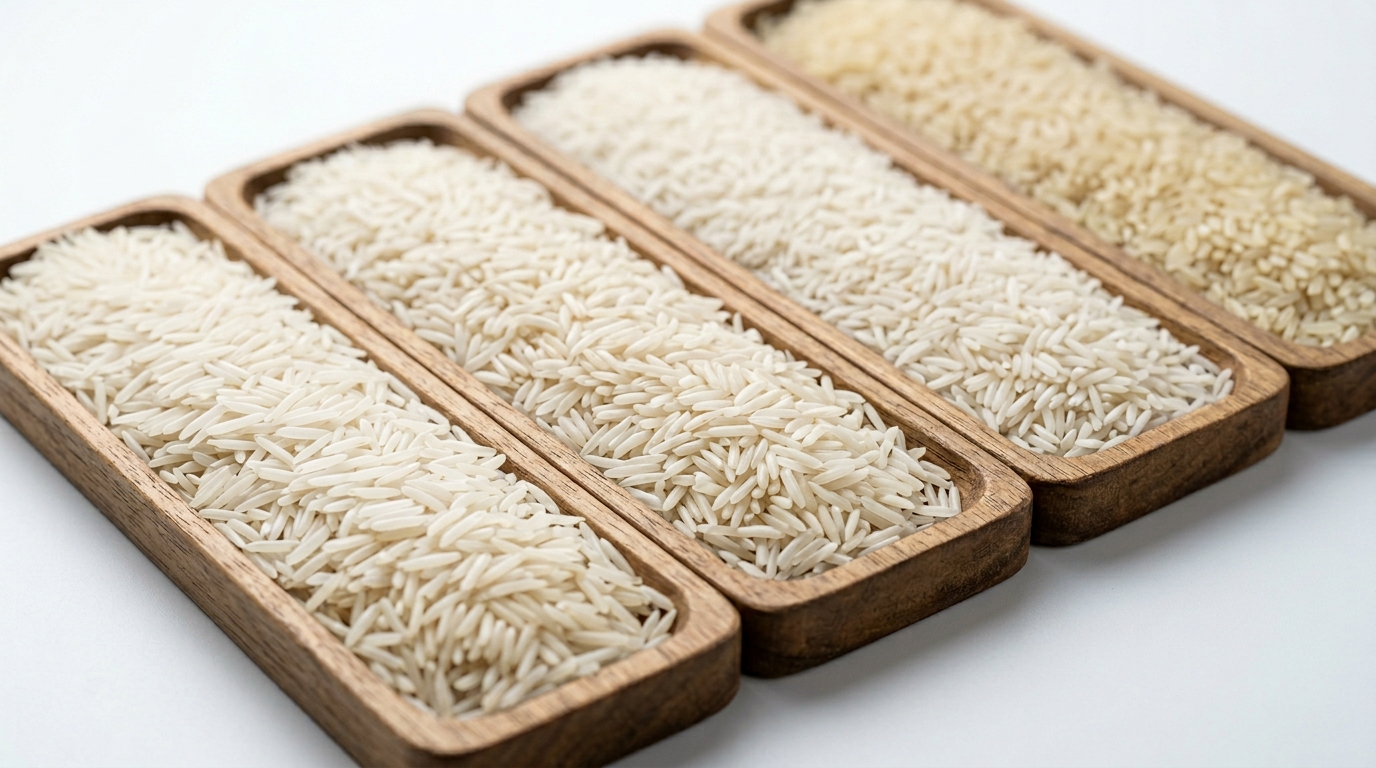
The degree of milling—how much bran is removed—affects both appearance and nutrition. Light milling leaves some bran, giving rice a slightly cream-colored appearance and higher nutritional content. Extra-polished rice has pure white color but loses surface nutrients and some cooking characteristics.
Polishing adds the final visual appeal by buffing rice kernels to a glossy shine. This isn't merely cosmetic—the polishing process removes fine bran particles that would otherwise create off-colors during storage. However, excessive polishing can create a slippery surface coating that some consumers find undesirable for certain preparations.
Parboiling: The Process That Changes Everything
Parboiling deserves special attention because it fundamentally alters rice characteristics compared to raw-milled rice. The process involves steaming or boiling paddy before milling, causing starches to gelatinize and nutrients to migrate from bran into the endosperm.
The parboiling process:
- Soak paddy in water for 24-72 hours
- Steam under pressure for 10-20 minutes
- Dry to appropriate moisture content
- Mill using standard procedures
What parboiling does to rice is remarkable. The gelatinized starch produces firmer, more separate cooked grains that resist becoming sticky. Nutrients—particularly B vitamins and iron—migrate from the bran layer into the kernel, making parboiled rice more nutritious than equivalently processed raw rice. The rice develops a slight amber tint and has better resistance to storage pests.
Golden Sella rice—the distinctive parboiled rice with bright yellow color—is produced by specific parboiling protocols that create the characteristic color through controlled heat treatment. The process requires precise control; variables too low produce inadequate color development, while excessive treatment creates undesirable flavors.
Sorting: Separating Quality from Defects
After milling, processed rice contains a mixture of whole kernels, brokens of various sizes, and potentially discolored or malformed grains. Sorting separates these components to achieve uniform quality in finished product grades.
Size grading uses oscillating sieves with precisely sized openings to separate brokens by length. A grade like "Super Kernel 40% Broken" has specific sieve requirements that define acceptable broken percentages. Grading accuracy depends on sieve maintenance and operation—worn sieves produce inconsistent results.
Color sorting uses optical sensors to detect discolored kernels and automatically eject them from the product stream. Modern color sorters can process tons per hour with remarkable precision, removing individual discolored grains that would otherwise downgrade the finished product.
The importance of thorough sorting becomes clear when you understand that even a small percentage of discolored or damaged kernels creates a visibly inferior product. Quality-conscious buyers examine rice samples specifically looking for sorting thoroughness—the presence of visible defects signals inadequate processing.
The Impact on Cooking Quality
Processing affects not just how rice looks but how it cooks. The relationship between processing and cooking quality is complex but important to understand:
Broken percentage: Higher broken content reduces cooking quality because broken grains cook faster than whole kernels, creating uneven texture. A mixture of whole and broken rice in the same pot produces inconsistently cooked results.
Milling degree: Under-milled rice has uneven color and cooks differently than properly milled product. Over-milled rice loses surface oils that contribute to flavor and may develop a powdery coating during cooking.
Moisture content: Rice milled too dry develops stress cracks that cause excessive breakage during cooking. Rice milled too moist doesn't dry properly and develops mold during storage.
Surface treatment: Polished rice without adequate buffing may have surface bran particles that create murky cooking water and off-flavors.
Processing Decisions That Determine Quality
Understanding processing enables smarter purchasing decisions. When evaluating rice, consider:
Broken percentage specifications matter—but only as accurate representations of actual product. Some sellers quote excellent grades while delivering borderline material. Physical verification remains essential.
Milling degree affects both appearance and nutrition. Premium Basmati typically shows light milling that preserves aroma compounds in the outer bran layer while achieving acceptable appearance. Excessive polishing removes these compounds along with the bran.
Parboiled versus raw-milled processing creates fundamentally different products suited to different uses. Restaurants preferring consistent, non-sticky rice often specify parboiled. Traditional preparations may call for specifically raw-milled rice.
Storage stability differs between processing types. Parboiled rice stores longer without quality degradation than raw-milled rice. This matters for buyers who maintain inventory over extended periods.
Conclusion
Rice processing isn't merely transformation of raw material into finished product—it's a craft that determines quality at every step. The mills that consistently produce superior rice invest in proper equipment, maintain it meticulously, and train operators to understand the process rather than simply run machines.
For buyers, understanding processing provides a framework for evaluating quality beyond surface appearance. The rice that looks perfect but cooks poorly has likely been processed in ways that optimize appearance at the expense of function. The rice with slight color variation but excellent cooking characteristics may be genuinely better despite cosmetic imperfections.