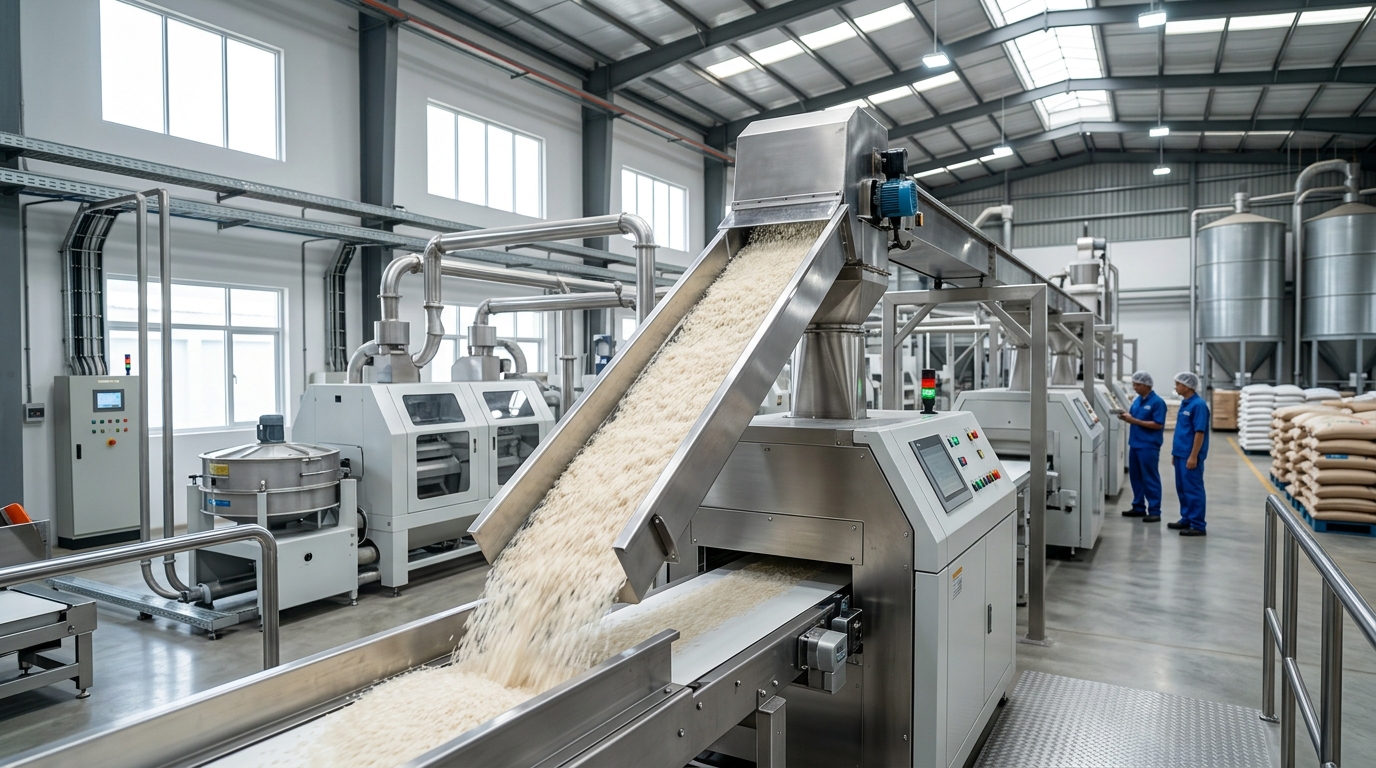
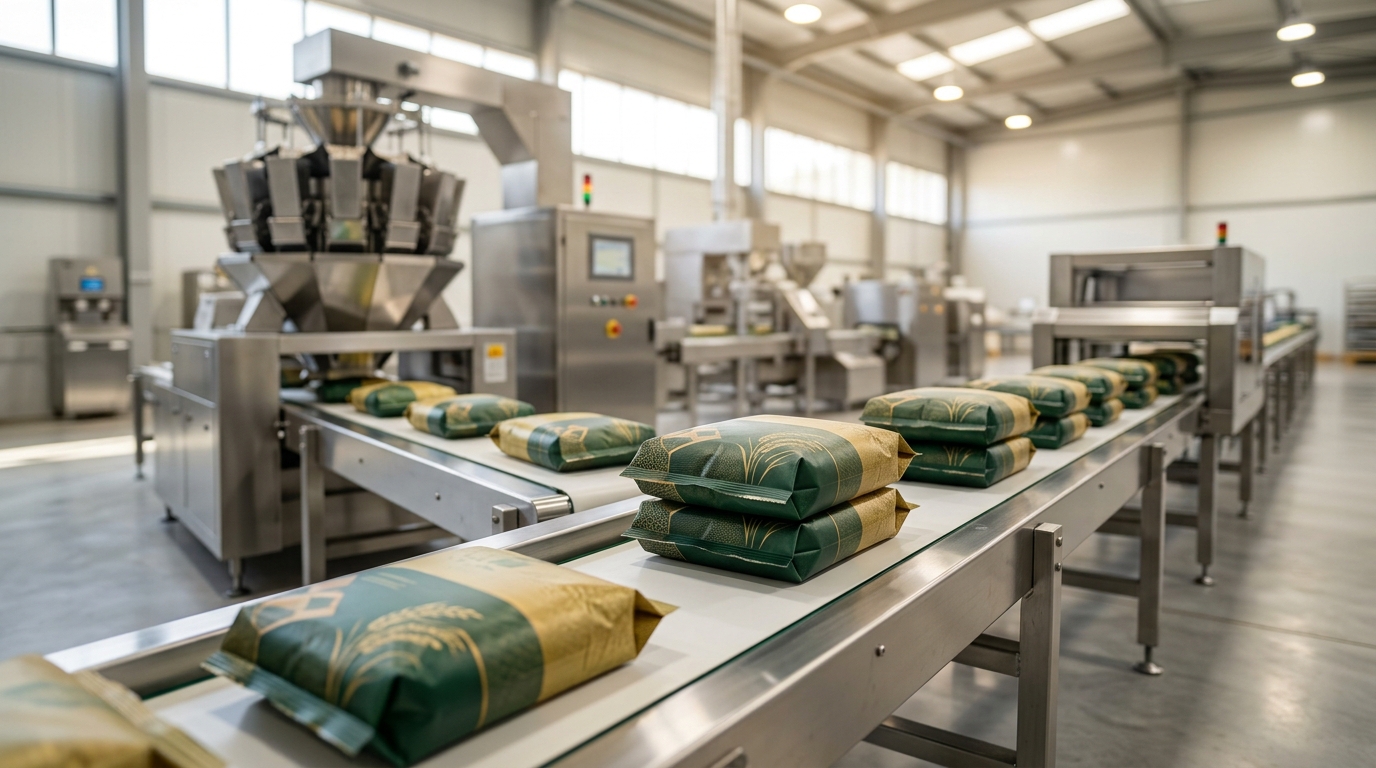
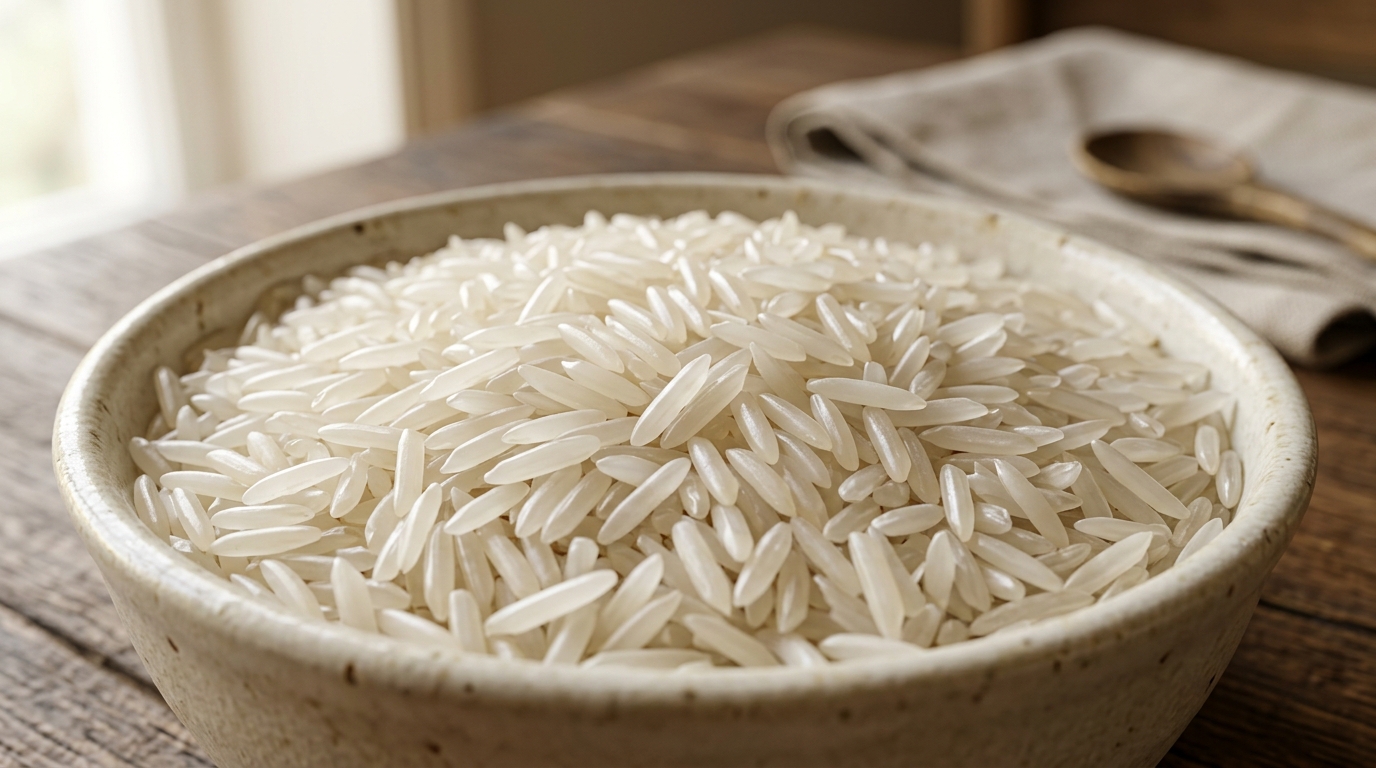
A contemporary rice mill processes paddy through a sequence of mechanical and optical systems: pre-cleaning, hulling, paddy separation, whitening, polishing, grading, and color sorting. What once required manual monitoring at every stage is now automated, sensor-driven, and capable of processing hundreds of tons daily with minimal human intervention. The difference between traditional and modern milling isn't just efficiency—it's the ability to produce consistent, export-grade quality at scale.
This article explains contemporary rice milling in straightforward terms: what happens at each stage, why it matters, and how modern technology has transformed each step from the methods that served previous generations.
The Modern Rice Mill: An Overview
A contemporary rice mill processes paddy through a series of mechanical and optical systems, each designed to perform specific quality transformations. The basic sequence hasn't changed fundamentally—cleaning, hulling, whitening, sorting—though the equipment and precision have revolutionized what's possible.
Modern mills typically operate at capacities ranging from 2 to 50 tons per hour. The equipment includes pre-cleaning systems, hullers, separators, whiteners, polishers, graders, color sorters, and packaging lines, all coordinated through computerized control systems. The sophistication of equipment determines both throughput and the quality range achievable.
Energy efficiency has improved dramatically in modern mills. Traditional mills consumed 40-60 kWh per ton of processed rice; contemporary efficient designs achieve 25-35 kWh per ton, according to international food processing research. This efficiency improvement reduces processing costs and environmental impact simultaneously.
Pre-Cleaning: Setting the Stage
Before any processing, raw paddy enters pre-cleaning systems that remove impurities protecting downstream equipment and ensuring clean final product. This stage receives less attention than glamorous milling operations but determines their effectiveness.
The pre-cleaning sequence typically includes:
- Destoners: Remove stones and heavy objects using density separation in air-fluidized systems
- Scalping screens: Remove large debris—sticks, clods, plastic
The destoner deserves special mention because stones entering hulling equipment cause damage that cascades through the entire operation. Modern destoners achieve near-complete stone removal—even lots with significant stone content emerge clean.
Hulling: Separating Grain from Shell
Hulling removes the tough outer hull that protects the rice kernel during growth. The hull accounts for approximately 20% of paddy weight and must be removed for the grain to be edible.
Rubber Roller Hullers dominate modern facilities. Two rubber-coated rollers rotate toward each other at different speeds, with adjustable clearance between them. Paddy fed into this gap experiences friction and pressure that removes hulls without damaging the underlying kernel.
The adjustment of roller gap is critical. Too tight causes kernel cracking; too loose leaves hulls attached. Operators learn to read the gap through experience, adjusting for different varieties and paddy conditions. Modern mills use precision adjustment mechanisms that maintain consistent settings.
Centrifugal Hullers offer an alternative approach using high-speed rotation to throw paddy against an abrasive surface. These achieve faster hulling rates but generate more broken grain. They're used primarily for harder-to-hull varieties or where throughput pressure outweighs breakage concerns.
Two-pass hulling—running paddy through the huller twice with separation between passes—achieves better results than single-pass systems. The first pass removes most hulls; the second handles remaining paddy with adjusted settings optimized for partially-processed grain.
Paddy Separation: Recovering the Missed
After hulling, the mixture contains brown rice (successfully hulled grain), unhulled paddy, and loose hulls. Paddy separators recover the unhulled paddy for re-processing.
Gravity Paddy Separators use the difference in density between whole paddy and brown rice. Vibrating inclined decks allow heavier whole grains to travel across while lighter brown rice falls through. Modern separators achieve excellent separation efficiency—above 99% in well-maintained equipment.
Indent Cylinder Separators use indented cylinders that lift short grains (brown rice) while allowing longer grains (paddy) to continue along the cylinder surface. These complement gravity separators for difficult-to-separate varieties.
The importance of effective separation cannot be overstated. Unhulled paddy in finished product is both a quality defect and a food safety concern—consumers expect and deserve ready-to-cook rice.
Whitening: Creating the White Grain
Brown rice—hulled but unprocessed—contains bran layers rich in oils, fiber, and nutrients. Whitening removes these layers to produce polished white rice. This stage most significantly affects appearance and determines processing quality.
Horizontal Axis Whiteners feature a rotating shaft with abrasive elements inside a cylindrical chamber. Grain enters the chamber, contacts the abrasive surface, and bran layers are frictionally removed. The process generates heat; temperature monitoring prevents overheating that damages grain.
Vertical Axis Whiteners use the same principle with vertical orientation. These typically achieve better grain quality with less breakage for certain varieties but require more frequent adjustment.
Multi-pass whitening has replaced single-pass systems in quality-focused facilities. The sequence typically includes:
- Rough whitening: Removes 70-80% of bran in the first pass
- Medium whitening: Completes bran removal except for outer surface layers
- Fine polishing: Creates the smooth, glossy surface appearance
Between passes, air streams remove bran particles, preventing re-deposition on grain surfaces. This intermittent cleaning improves both appearance and storage stability.
Polishing: The Final Surface Treatment
Polishing buffs rice kernels to a glossy shine that improves visual appeal. The process removes fine bran particles and creates the smooth surface that consumers associate with premium rice.
Cone Polishers use rotating cones with leather or synthetic buffing surfaces inside cylindrical housings. Grain passes through the polishing chamber, receiving surface friction that creates the characteristic shine.
Vertical Polishers offer similar functionality with vertical grain flow. These typically produce smoother results with less broken grain but require more maintenance.
Polishing intensity requires balancing visual appeal against surface benefits. Excessive polishing removes surface nutrients and creates a slippery coating that some consumers find undesirable. The optimal approach—light polishing that achieves acceptable appearance while preserving benefits—is a judgment call based on target market preferences.
Grading: Separating by Size
After polishing, the product contains whole kernels, broken grains of various sizes, and potentially undersized or malformed grains. Grading separates these components into distinct size categories.
Sifting Machine use oscillating screens with precisely sized openings calibrated to specific measurements. Whole kernels are retained while smaller material falls through. Multiple screens with different openings create several size categories.
The size categories and their specifications:
- Whole rice: Above minimum length specifications
- Large broken: Typically above 50% of whole kernel length
- Medium broken: Between 25-50% of whole kernel length
- Small broken: Below 25% of whole kernel length
Grading accuracy depends on sieve maintenance. Worn sieves with enlarged openings produce inconsistent grading that affects both value and quality specifications. Quality-conscious mills replace sieves on scheduled intervals rather than waiting for visible wear.
Color Sorting: The Technology Revolution
Color sorting represents perhaps the most significant technological advancement in modern rice processing. These systems use optical sensors to detect individual grains that deviate from acceptable color standards, then pneumatically eject those grains from the product stream.
CCD Camera Systems image grain at high resolution as it passes under synchronized cameras. Image processing software compares each kernel against acceptable color ranges, identifying deviations that suggest discoloration, damage, or contamination.
Laser Sorting Systems use laser beams rather than cameras, detecting internal defects that may not be visible externally. These systems can identify chalky kernels, stress cracks, and other internal quality issues that camera-based systems miss.
Modern color sorters achieve extraordinary precision—one in a million accuracy in some specifications. This capability enables processing to specifications that would be impossible through manual sorting. The investment in color sorting technology returns through ability to access premium markets.
Shelf-Life Enhancement: Final Treatment
Modern mills increasingly incorporate treatment systems that enhance storage stability and shelf life. These treatments address problems that previously limited rice marketability.
Germ Removal systems eliminate the rice germ—the small embryo at the kernel base—that contains oils prone to oxidation. Degermed rice shows much slower quality deterioration during storage, maintaining freshness for extended periods.
Antioxidant Treatment applies food-grade antioxidants that further slow oxidation processes. This treatment is particularly valuable for brown rice and niche products where maintaining nutritional quality matters.
Quality Control Throughout
Modern milling integrates quality control at every stage rather than waiting until processing completes. In-line moisture meters, color sensors, and weight systems provide continuous monitoring that enables immediate adjustment when parameters drift.
The integration means problems are caught before they create defective product. Temperature spikes in whitening trigger automatic adjustments. Color variations prompt sorting system sensitivity modifications. This real-time responsiveness wasn't possible in traditional mills.
Conclusion
Modern rice milling combines mechanical engineering, optical technology, and process control into systems that transform raw paddy into premium finished product with remarkable consistency. Understanding these processes helps everyone in the rice trade appreciate what determines quality and value.
The mills investing in technology and operator training consistently produce superior product. Equipment alone doesn't guarantee quality—the human element of understanding, adjusting, and maintaining matters equally. When evaluating rice sources, understanding their processing capability provides insight into likely quality consistency.