Basmati and Non-Basmati rice come from the same species—Oryza sativa—but represent distinct genetic lineages optimized for different characteristics. The distinction isn't about quality in absolute terms; both can be excellent within their categories. The distinction is about purpose, economics, and market positioning.
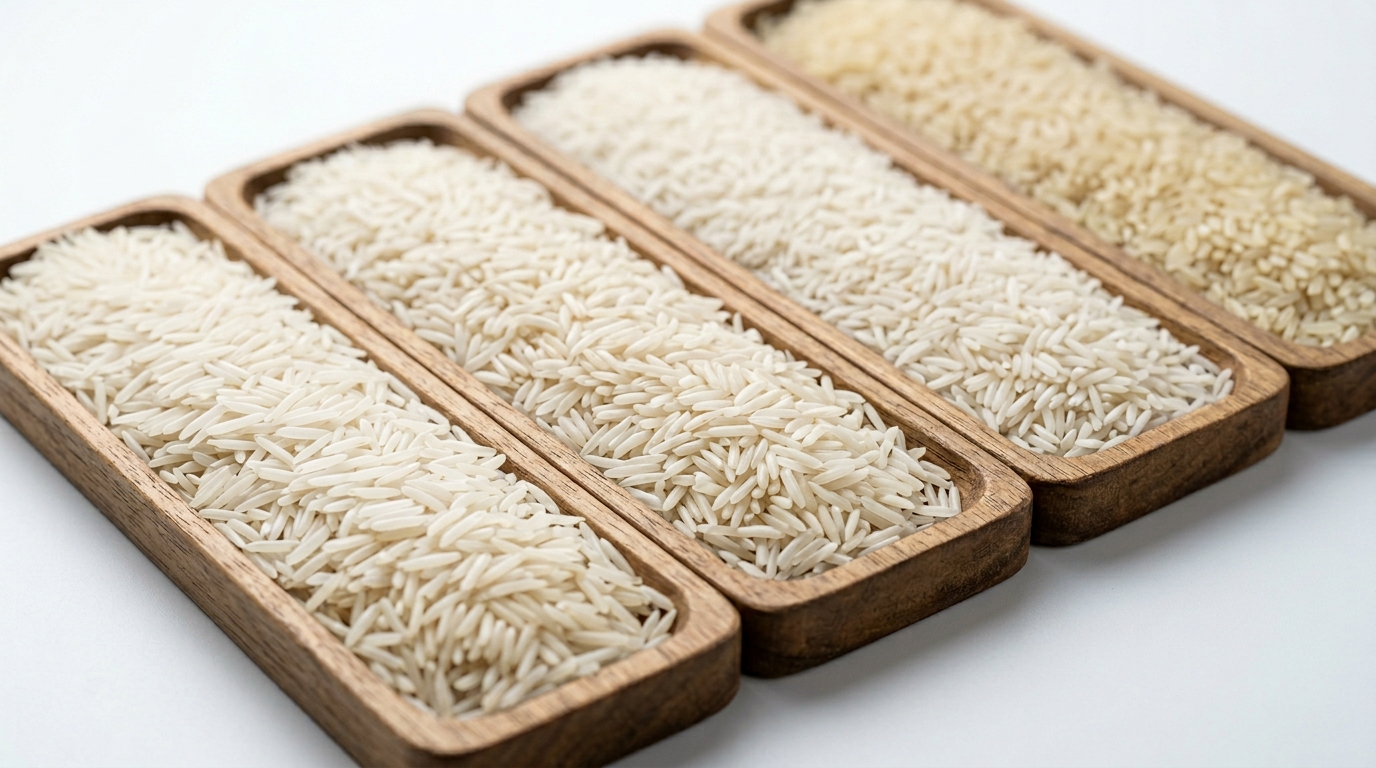
When buyers new to rice trade first encounter these varieties side by side, the physical differences seem obvious—the slender, extra-long grains of Basmati versus the shorter, plumper Non-Basmati kernels. Yet understanding why these differences exist, how they affect cooking quality, and which applications each suits requires deeper examination of grain structure, starch composition, and cooking behavior.
Genetic Origins and Varietal Development
Basmati rice traces its lineage to the Himalayan foothills of Pakistan and India, where traditional varieties have been cultivated for centuries. The distinctive characteristics—exceptional grain length, characteristic aroma, and elongation during cooking—emerged through centuries of selection and natural adaptation to specific growing conditions.
The Basmati varietal group includes registered varieties like Pakistani Super Kernel, Basmati 370, and newer releases like Basmati 2004. These varieties carry genetic markers for the traits that define Basmati character: the 2-acetyl-1-pyrroline compound creating the characteristic aroma, genes controlling grain elongation, and the specific starch composition affecting cooking texture.
Non-Basmati rice encompasses all other Oryza sativa varieties. This includes IRRI-developed varieties like IRRI-6 and IRRI-9, which were bred specifically for high yield and broad adaptability rather than premium eating quality. The genetic potential differs fundamentally from Basmati—not inferior, just optimized for different characteristics.
Physical Characteristics Comparison
The visible differences between Basmati and Non-Basmati rice extend beyond simple appearance:
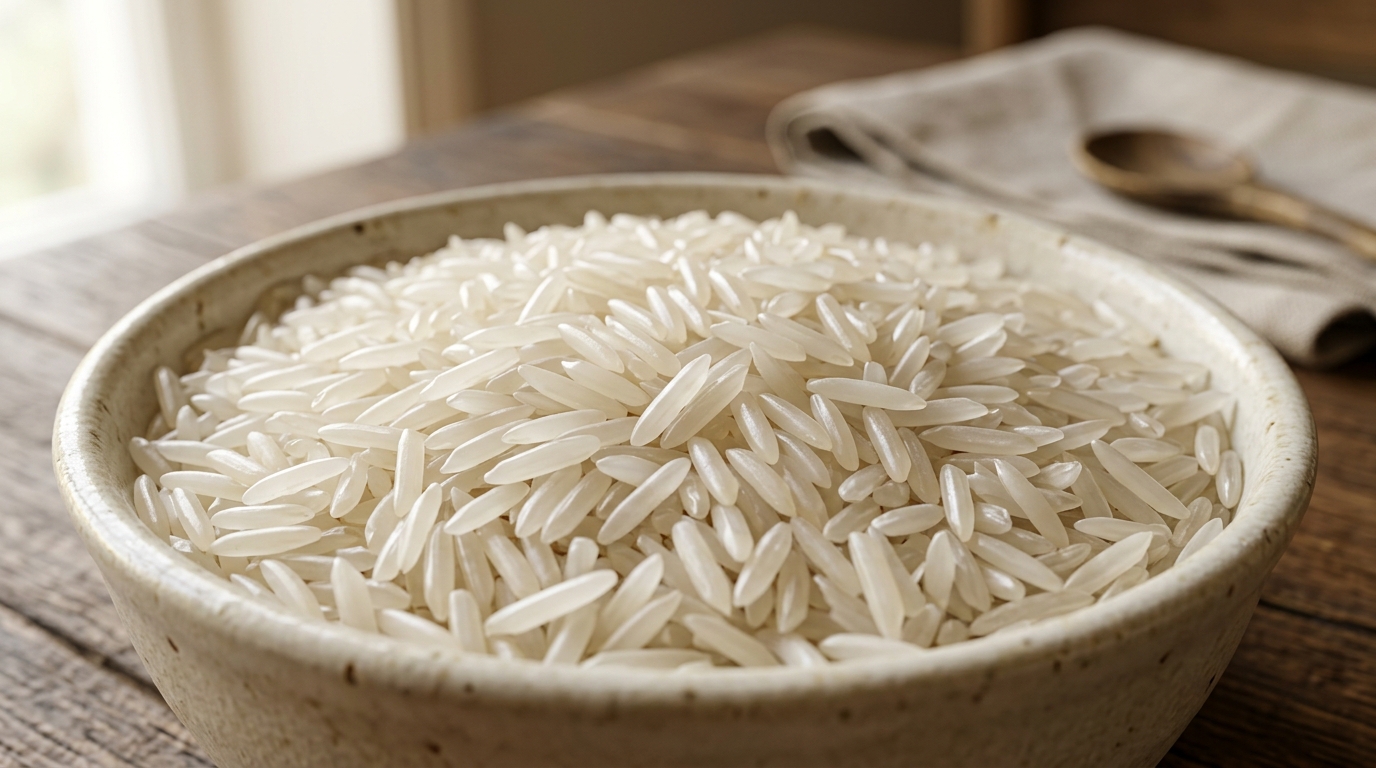
- Grain length: Basmati kernels typically exceed 7mm when milled; Non-Basmati IRRI varieties run 6mm or shorter. The extra length creates the distinctive presentation that distinguishes Basmati preparations.
- Grain shape: Basmati has the characteristic slim profile with length-to-width ratio above 3.5:1. Non-Basmati varieties have shorter, plumper kernels with lower ratios.
- Translucency: Premium Basmati shows translucent kernels with characteristic slight cream tint. Non-Basmati varieties are often more opaque, particularly IRRI types bred for high yield rather than visual appeal.
- Aroma: This represents perhaps the most defining difference. Basmati carries the distinctive nutty, floral fragrance detectable even before cooking. Non-Basmati varieties lack this characteristic aroma, as documented by the International Rice Research Institute.
Cooking Characteristics
The cooking qualities that matter for different applications differ between the two categories:
Elongation during cooking: Basmati's signature characteristic is grain elongation up to 100% of original length when properly cooked. This elongation creates the dramatic visual effect that makes Basmati recognizable. Non-Basmati varieties show minimal elongation—typically 20-30% at most.
Texture: Basmati produces dry, fluffy cooked rice with excellent grain separation. The texture results from specific amylose content and starch gelatinization properties. Many Non-Basmati varieties produce stickier cooked rice—the specific texture depends on variety, but IRRI types particularly tend toward sticky texture. For a detailed comparison of how these cooking characteristics develop during processing, see our guide on rice milling and quality.
Water absorption: Basmati absorbs cooking water efficiently, achieving the characteristic dry texture at water ratios of 1.5:1 to 2:1. Some Non-Basmati varieties require less water and become mushy if water ratios exceed requirements.
Aroma development: The characteristic Basmati fragrance intensifies during cooking, filling the kitchen with the distinctive aroma associated with premium preparations. Non-Basmati rice produces no comparable aroma—cooked rice smells neutral rather than distinctively.
Production and Economic Considerations
From a sourcing perspective, Basmati and Non-Basmati represent different economic propositions:
Yield: Non-Basmati varieties, particularly the IRRI types, produce substantially higher yields per hectare—often 30-50% more than Basmati varieties. This yield advantage translates to lower commodity pricing.
Cultivation cost: Basmati varieties generally require more careful cultivation—specific timing, careful water management, and attention to harvest conditions to preserve aroma compounds. Non-Basmati varieties tolerate wider conditions and simpler management.
Market value: Basmati commands premium pricing, typically 50-200% above equivalent Non-Basmati commodity pricing. The premium reflects the more intensive production and the distinctive characteristics that justify higher prices.
Market stability: Basmati prices show less volatility than commodity Non-Basmati, which follows commodity market pricing more closely. The premium market for Basmati provides more predictable margins.
Comparative Table
| Characteristic | Basmati Rice | Non-Basmati Rice |
|---|---|---|
| Grain Length (milled) | 7.0-8.5 mm | 5.5-6.5 mm |
| Length-to-Width Ratio | 3.5:1 or higher | 2.0-3.0:1 |
| Aroma | Strong, characteristic | None to minimal |
| Elongation on Cooking | Up to 100% | 20-30% maximum |
| Cooked Texture | Dry, fluffy, separate grains | Varies; IRRI types sticky |
| Typical Yield (Pak) | 3.5-4.5 tons/hectare | 4.5-6.5 tons/hectare |
| Price Level | Premium (50-200% higher) | Commodity |
| Primary Markets | Gulf, Europe, North America | Africa, Middle East, Asia |
| Best Suited For | Biryani, pulao, premium service |
Market Positioning and Applications
Understanding the appropriate applications for each type guides purchasing decisions:
Basmati applications: Premium restaurant preparations where visual presentation and aroma justify premium pricing—biryani, pulao, flavored rice dishes. Retail packages for consumers willing to pay premium prices for quality. Gift packaging and special occasion preparations.
Non-Basmati applications: Mass catering where rice is an accompaniment rather than a featured dish. Industrial food processing—canned rice products, rice flour, breakfast cereals. Institutions with high volume requirements and limited budgets. Markets where price sensitivity dominates quality preference.
The choice between Basmati and Non-Basmati isn't about which is better—it's about which fits the specific application. A biryani restaurant needs Basmati; a hospital needing to produce thousands of rice portions daily may find Non-Basmati more appropriate. Understanding the application requirements enables intelligent purchasing.
Quality Variations Within Categories
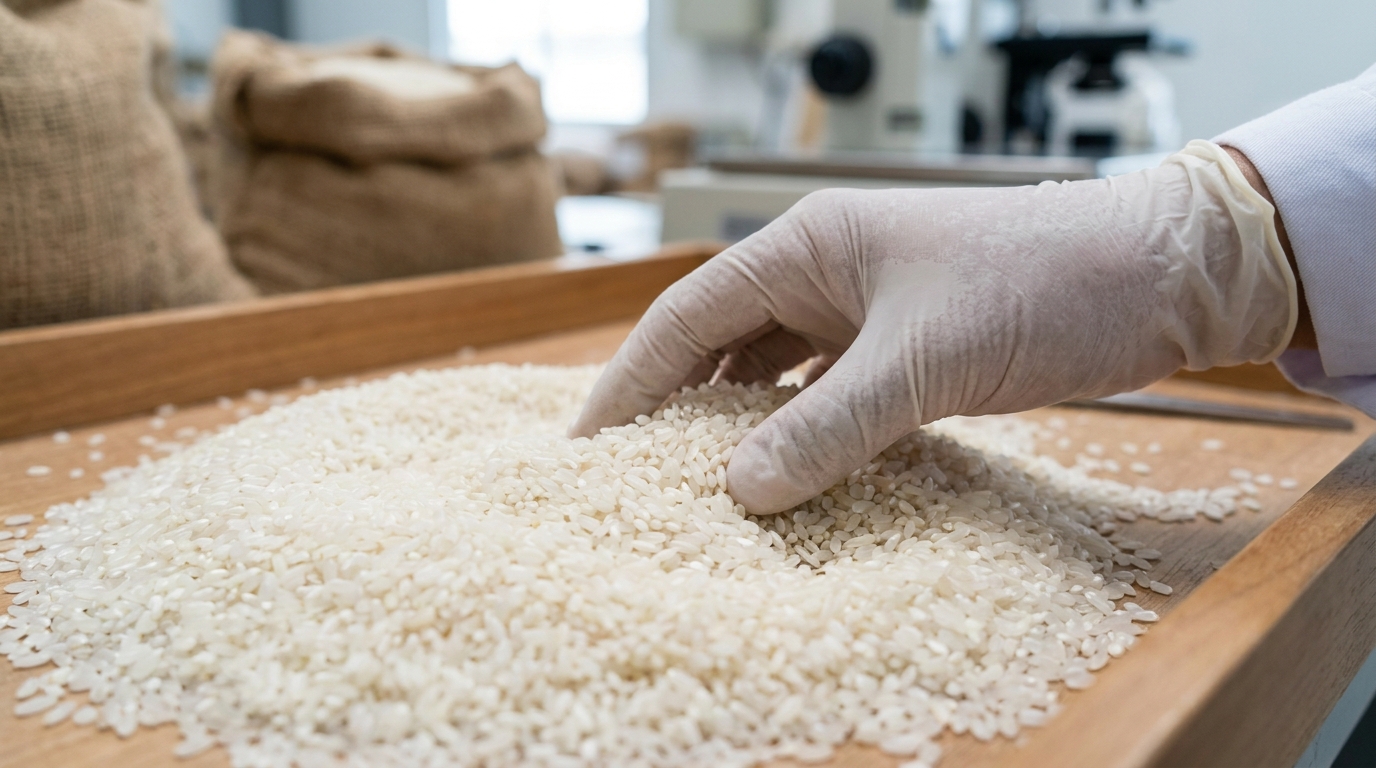
Within both categories, quality varies substantially based on variety, growing conditions, processing, and storage. A premium Non-Basmati lot may exceed an average Basmati lot in actual eating quality. The categories provide broad guidance, but individual lot evaluation remains essential.
For Basmati, quality parameters include grain length, broken percentage, aroma intensity, and whiteness. Premium Basmati commands premium pricing; average lots sell at appropriate discounts.
For Non-Basmati, the variety matters—IRRI-6 versus IRRI-9 serve different applications. Processing quality and moisture content affect usability regardless of variety. Quality-conscious sourcing evaluates Non-Basmati lots with the same rigor applied to Basmati.
Conclusion
The distinction between Basmati and Non-Basmati rice reflects different genetic origins, production systems, and market positions. Both can be excellent within their categories; neither category automatically outperforms the other in all applications.
For buyers, understanding these differences enables intelligent product selection matching quality requirements to budget constraints and application needs. Premium preparations warrant Basmati investment; volume applications may find Non-Basmati more appropriate. The decision isn't about which is "better"—it's about which fits the specific situation.