Identifying high-quality export grade rice requires systematic assessment across five dimensions: visual inspection, physical analysis, moisture testing, cooking quality evaluation, and defect assessment. The goal isn't just confirming that paperwork shows acceptable specifications—it's verifying that the physical product actually matches what those numbers claim.
Quality verification goes beyond reading certification documents. Visual inspection reveals color consistency and translucency, physical analysis quantifies broken percentage and grain dimensions, moisture testing confirms storage stability, and cooking tests validate real-world performance. Each assessment layer builds confidence that the product will satisfy end-user expectations.
Taking Representative Samples
Quality verification begins with sampling. Even the most careful assessment provides misleading results if the sample doesn't represent the lot accurately. Taking proper samples is the foundation of everything that follows.
The sampling protocol for export rice follows established standards. For lots exceeding 10 tons, sampling should occur at multiple points—top, middle, and bottom of bags; front, middle, and back of the stack. Each sample point contributes equally to the composite sample that receives further evaluation.
Sample quantity should be sufficient for all planned tests. For a comprehensive evaluation including cooking test, the minimum sample is typically 500 grams. Smaller samples may suffice for visual inspection alone but limit the testing options.
Sample handling matters. Samples should be placed in clean, dry containers that prevent moisture change and contamination. Labeling with lot number, date, and sampling location enables traceback if problems emerge. Temperature during transport and storage should approximate ambient conditions without extreme variations.
Visual Inspection: What Your Eyes Can Tell You
Trained visual inspection reveals much about rice quality before any instruments enter the picture. The assessment proceeds systematically:
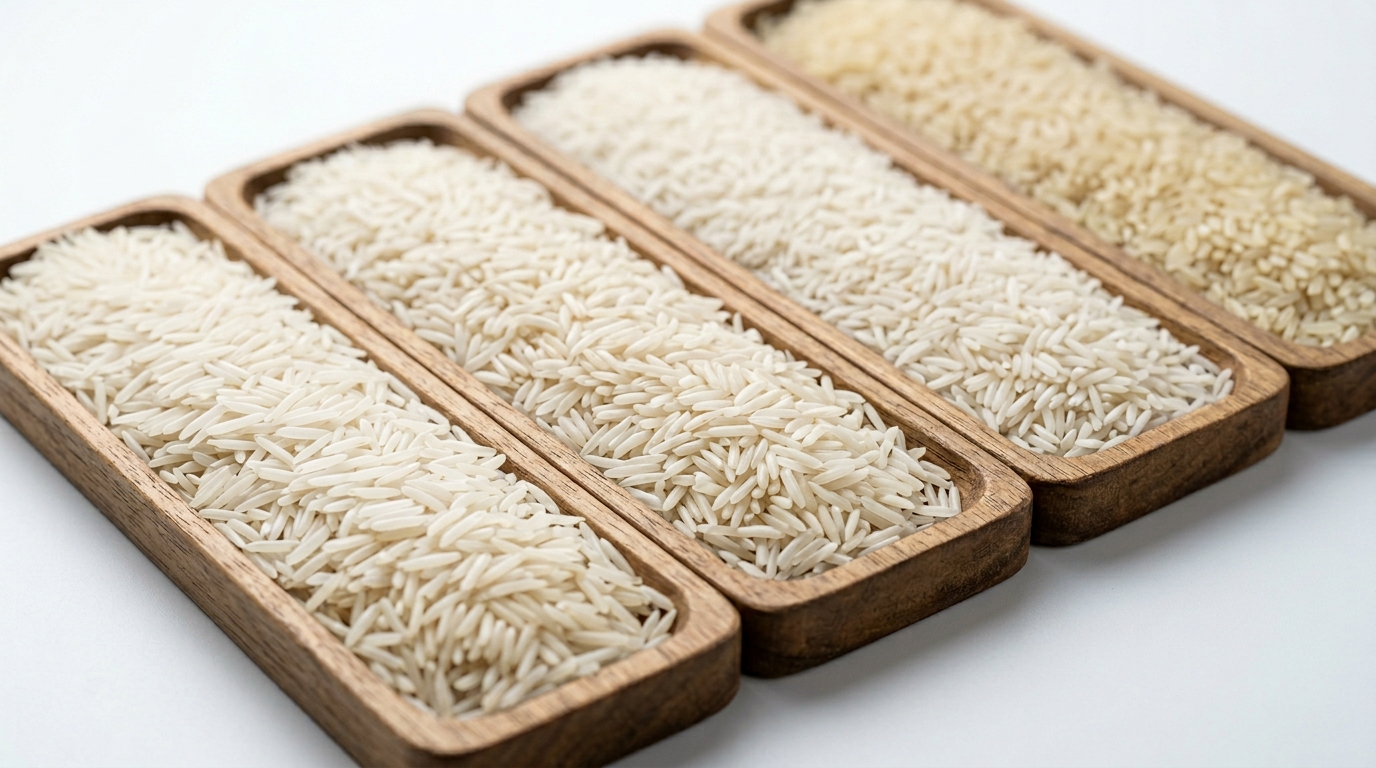
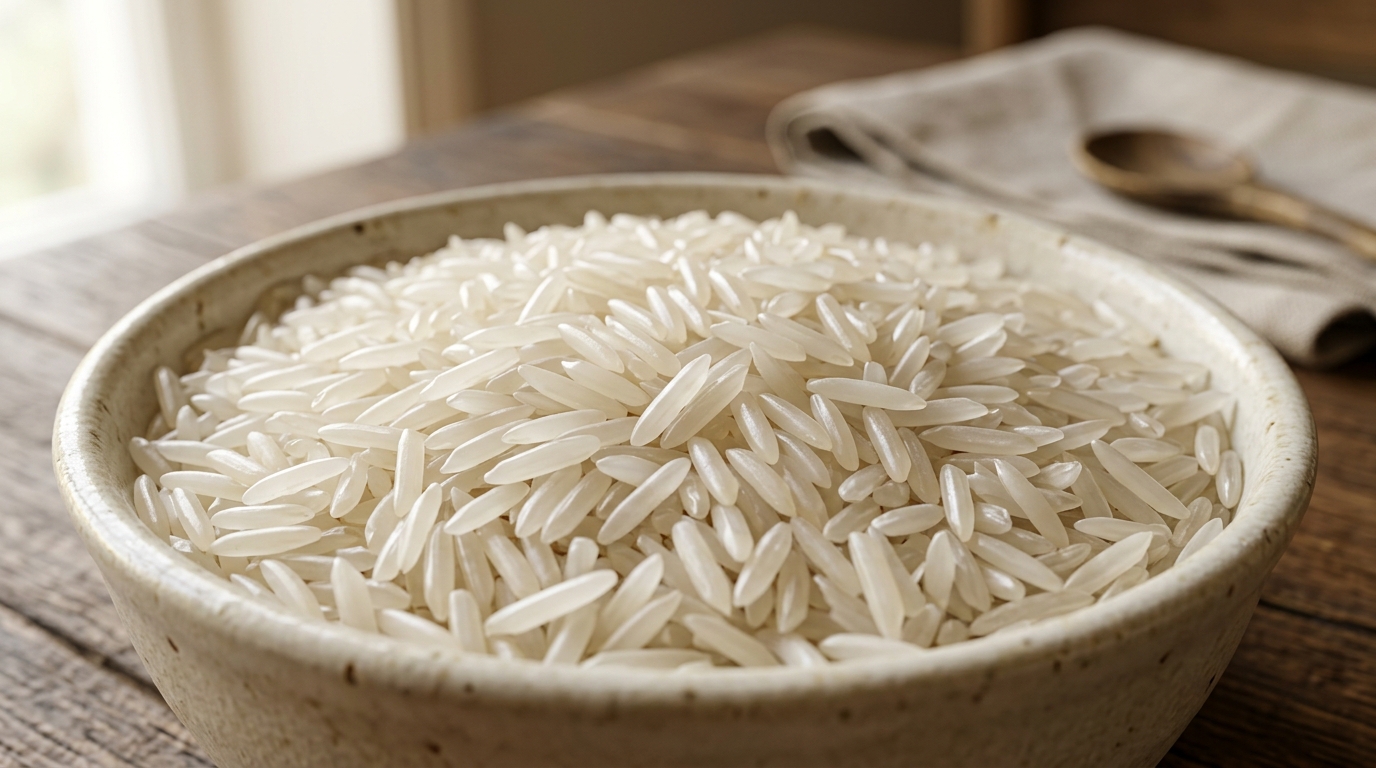
Color evaluation: Premium rice shows consistent creamy white color without yellow, gray, or brown discoloration. Yellow indicates improper drying or storage heat damage. Gray suggests milling problems or extended storage in humid conditions. Examine the sample under good lighting—preferably daylight or equivalent—to assess color accurately.
Translucency check: Hold individual kernels against light. Whole, healthy kernels appear translucent; damaged or immature kernels appear opaque or chalky. Premium lots show predominantly translucent kernels with minimal chalky content.
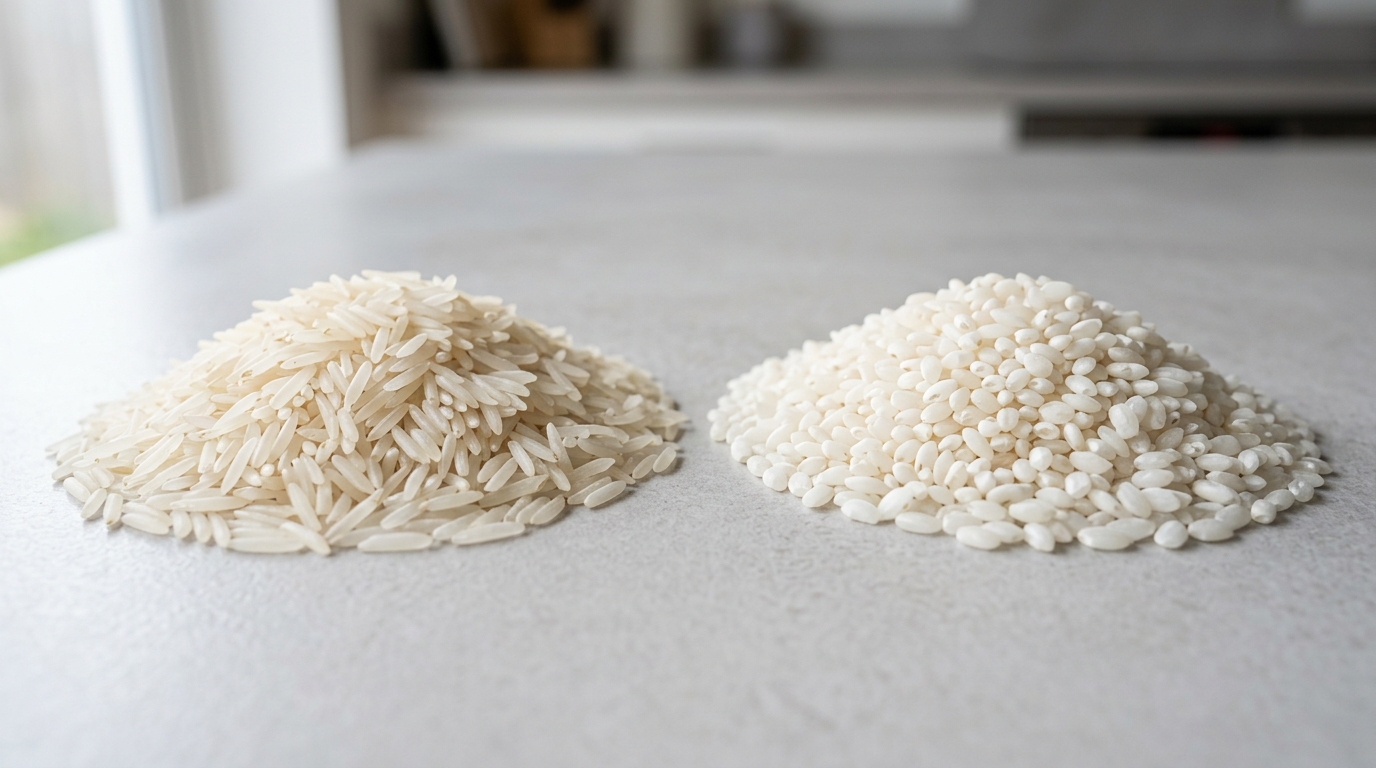
Uniformity assessment: Premium rice shows consistent grain size and shape throughout. Visible variation in grain length, width, or shape indicates varietal mixing or processing inconsistencies that affect grading.
Surface condition: Properly polished rice has smooth, clean surfaces without residual bran specks, dust, or debris. Surface impurities suggest inadequate polishing or improper handling.
Visual defects: Scan for visible problems—insect damage (holes or tunneling), mold (discolored areas, particularly at the germ end), broken kernels, and foreign matter. Any visible defect category should trigger closer examination.
Physical Analysis: Quantifying What You See
Visual assessment provides qualitative impressions; physical analysis provides the quantitative data that specifications require:
Broken percentage determination: Using a Boerner divider or similar sampling device, split the sample to approximately 100 grams. Separate whole kernels from broken using appropriate sieves or manually sorting. Calculate broken percentage by weight:
Broken % = (Weight of broken / Total sample weight) × 100
For precise work, multiple determinations and averaging improves accuracy. The variation between determinations indicates sample heterogeneity that visual assessment might miss.
Grain length measurement: Measure a representative subset of whole kernels for length. Use calipers for individual grain measurement, or sieves for rapid length categorization. Premium Basmati should show maximum lengths exceeding 7.60mm.
Whiteness measurement: While visual comparison to reference standards provides approximate assessment, accurate whiteness measurement requires a calibrated whiteness meter. The reading—typically on a 0-100 or Kent scale—provides objective data for comparison against specifications.
Moisture Assessment
Moisture content deserves immediate attention because it affects every other quality characteristic. Rice above safe moisture levels will deteriorate regardless of how well it scores on other parameters.
Moisture meter measurement: Electronic moisture meters provide rapid assessment. Take multiple readings across the sample, averaging for accuracy. Remember that temperature affects readings—most meters require temperature correction or provide temperature-compensated results.
For export verification, moisture should fall below 12.5% for most specifications. Lower moisture provides additional safety margin for extended storage or transit.
Hand method (approximate): When meters aren't available, squeeze a handful of rice firmly. Release and examine: rice that holds a molded shape indicates moisture above 14%; rice that crumbles immediately is below 12%; rice that holds shape briefly then crumbles suggests moisture in the acceptable 12-13% range.
Aroma Assessment
For Basmati and aromatic varieties, aroma intensity and character directly affect market value. Aroma assessment is sensory but can be systematized:
Raw grain assessment: Take a tablespoon of rice and sniff deeply. Premium Basmati shows strong, characteristic nutty-floral fragrance. Weak aroma suggests aged rice or improper storage. Off-odors—musty, moldy, or chemical—indicate storage problems.
Cooking test: For definitive aroma evaluation, cook a small sample using minimal water in a closed container. The aromatic release during cooking provides the most accurate assessment of the fragrance that reaches consumers.
Aroma standardization: The compound responsible for Basmati aroma—2-acetyl-1-pyrroline (2-AP)—can now be measured using laboratory techniques. For critical quality verification, gas chromatography provides objective aroma quantification.
Cooking Quality Tests
The ultimate quality test is how rice performs during cooking. Small-scale cooking tests reveal characteristics that raw grain examination cannot:
Water absorption ratio: Cook a measured quantity of rice with measured water. After proper cooking, weigh the cooked rice and calculate the absorption ratio. Premium Basmati typically shows water absorption of 2.5:1 to 3:1. Poor absorption suggests aging or storage problems.
Elongation assessment: Measure raw grain length, then measure cooked grain length from the same sample. Calculate elongation percentage. Premium Basmati shows elongation of 75-100%. Minimal elongation indicates quality problems.
Texture evaluation: After cooking, assess texture by feel and observation. Premium Basmati produces dry, fluffy grains that separate easily. Sticky, mushy, or gluey texture indicates quality issues.
Defect Assessment
Beyond general quality characteristics, specific defects may trigger rejection even when overall quality appears acceptable:
Chalky kernels: Kernels with opaque starchy areas break easily and create texture problems. Count chalky kernels as a percentage of total. Above 5% typically indicates quality problems.
Heat-damaged kernels: Brown to black discoloration indicates exposure to excessive heat. Heat damage suggests storage problems that may affect the broader lot.
Immature kernels: Thin, translucent, underdeveloped kernels lack the proper starch content for good cooking quality. Presence of more than 5% immature kernels downgrades quality.
Red and streaky kernels: These indicate genetic issues or processing defects that affect appearance and cooking quality. Threshold limits vary by market but are typically tight for premium products.
Verification Checklist
Use this checklist for systematic quality verification:
- Sample collection follows proper protocol from multiple points
- Color is consistent creamy white without discoloration
- Grain translucency shows predominantly clear kernels
- Grain uniformity is consistent without visible variation
- Broken percentage meets specification requirements
- Grain length meets minimum specifications
- Whiteness meets minimum requirements
- Moisture content is below specified maximum
- Aroma is strong and characteristic (for aromatic varieties)
- No visible defects—insect damage, mold, off-colors
- No foreign matter—stones, debris, contamination
- Cooking test shows appropriate elongation and texture
Documentation and Reporting
Quality verification findings require clear documentation for decision-making and potential dispute resolution:
Report format should include lot identification, sampling date and location, test results for each parameter, comparison against specification requirements, overall quality assessment, and photographs of significant findings.
Retain samples from every verification in labeled, sealed containers. These enable re-testing if disputes arise and provide evidence for any claims against suppliers.
Conclusion
Identifying high-quality export grade rice requires systematic assessment combining visual inspection, physical analysis, and cooking tests. The verification process begins with proper sampling, proceeds through organized assessment of each quality parameter, and culminates in documentation that enables informed decisions.
Quality verification is an investment in preventing problems rather than responding to them after shipment. The time spent verifying quality before purchase prevents the much greater cost of rejected shipments and damaged business relationships. For anyone in international rice trade, these skills are essential professional tools. If you're looking to source premium rice directly, refer to our detailed breakdown of key factors that define premium rice quality. International rice research indicates that consistent quality verification protocols significantly reduce trade disputes according to international rice research.